

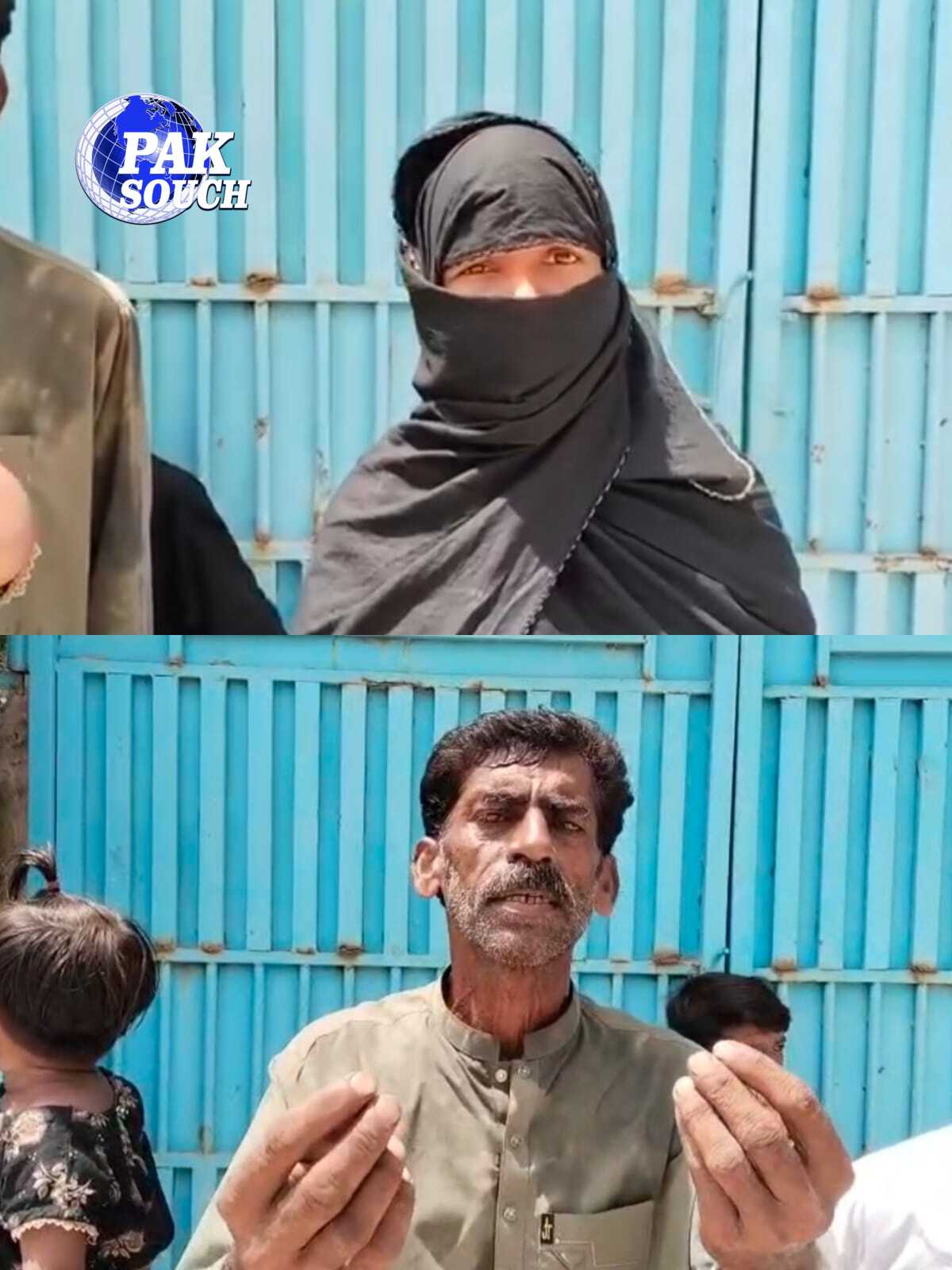
NAUSHAHRO FEROZE (District Report): Employees of the Kandiaro Town Committee continued their protest for the fourth consecutive day outside the Naushahro Feroze Press Club, demanding the release of their salaries for the past three months and action against the Town Officer over what they described as alleged mistreatment and abuse of authority.
The protest was led by Shahid Sheikh, Faiza Sheikh and Ghamgeen Sial, with the participants raising slogans in support of their demands.
Speaking to the media, Faiza Sheikh and other protesting employees alleged that Kandiaro Town Officer Saleem Memon had repeatedly pressured her to enter into an inappropriate relationship with him.
She alleged that when she refused to comply with what she described as improper demands, the Town Officer allegedly began retaliating against her and other employees by withholding their salaries.
According to the protesters, their salaries have allegedly remained unpaid for the past three months, causing serious financial difficulties for the affected employees and their families.
Faiza Sheikh alleged that the withholding of salaries was being used as a means of pressure and retaliation and said that employees should not be forced to compromise their dignity or rights in order to receive their legitimate wages.
The protesting employees described the alleged withholding of salaries as a serious injustice and demanded that their outstanding payments be released immediately.
They further alleged that the Town Officer was attempting to use his official position to pressure employees into complying with demands that had nothing to do with their official duties.
The protesters said they would not accept any such pressure and called upon the relevant authorities to investigate the allegations fairly and transparently.
They appealed to senior government officials and the concerned local government authorities to take immediate notice of the matter, ensure the payment of three months’ outstanding salaries and take appropriate action against the Kandiaro Town Officer if the allegations were found to be true.
The employees said that their salaries were their legitimate entitlement and that the administration had a responsibility to ensure that workers received their wages on time.
They also demanded protection against alleged harassment and retaliation at the workplace.
The protesters warned that if their demands were not accepted and their salaries were not released, they would intensify their protest and expand it to other forums.
They said they had continued their demonstration for four days because their complaints had not been adequately addressed.
The protesting employees maintained that they wanted their legitimate salaries and a safe and respectful working environment.
They urged the authorities to conduct an impartial inquiry into the allegations against the Town Officer and take action in accordance with the law.
The protesters also called for measures to ensure that no employee was subjected to pressure, harassment or discrimination for refusing inappropriate demands.
The allegations made by the protesters have not been independently verified, and the Town Officer named in their statements has not provided his response to the allegations in the report.
The employees concluded their demonstration by reiterating their demand for the immediate release of their three months’ salaries and appropriate action following an investigation into the allegations.
They warned that failure to address their grievances would lead to further protests in the coming days.
About The Author