

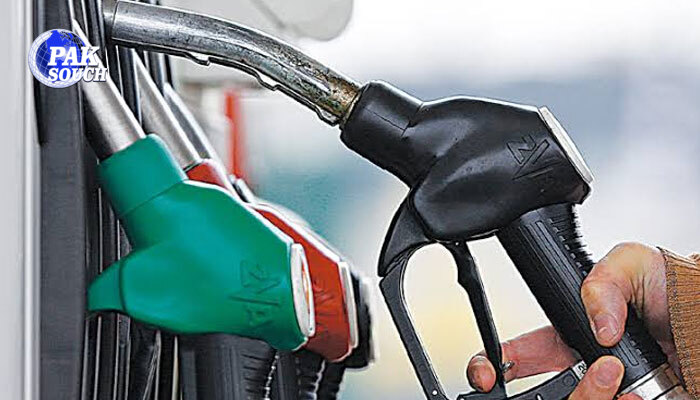
ISLAMABAD: The federal government has increased the petroleum levy on petrol by Rs15.86 per litre within the span of a single week, according to official figures.
The increase means that consumers are paying a higher levy despite changes in fuel pricing. Based on the available data, if the government had not raised the petroleum levy, the current retail price of petrol would have been Rs294.85 per litre instead of the existing Rs310.71 per litre.
Official figures show that the petroleum levy on petrol stood at Rs64.14 per litre until July 3. The government subsequently increased the levy by Rs6.22 per litre, effective July 4.
A second increase followed a week later, with the government raising the levy by an additional Rs9.64 per litre from July 11.
Following these two revisions, the petroleum levy on petrol has reached Rs80 per litre, representing a cumulative increase of Rs15.86 per litre over the one-week period.
The petroleum levy is a government-imposed charge collected on petroleum products and forms part of the retail price paid by consumers at fuel stations. Revenue generated through the levy contributes to the federal government’s finances and is considered an important source of non-tax income.
The increase comes as fuel prices remain a major concern for households and businesses across Pakistan, with higher transportation and energy costs affecting overall inflation and the prices of essential goods.
Industry analysts note that changes in the petroleum levy can have a significant impact on the final retail price of fuel, regardless of fluctuations in international oil prices. As a result, increases in the levy often influence transportation costs, logistics expenses, and production costs across various sectors of the economy.
According to the published figures, the latest increase in the levy effectively offset what could otherwise have been a lower retail petrol price for consumers.
The government has maintained the official petrol price at Rs310.71 per litre, with the higher levy accounting for the difference between the current price and the estimated Rs294.85 per litre price that would have applied had the levy remained unchanged.
Fuel pricing in Pakistan is reviewed periodically, taking into account several factors, including international crude oil prices, exchange rate movements, import costs, taxes, and government-imposed levies.
The latest increase in the petroleum levy is expected to remain a subject of public and economic debate, as higher fuel costs have a direct impact on transportation expenses and the broader cost of living.
Businesses, transport operators, and consumers continue to closely monitor government decisions regarding fuel pricing, as adjustments in petroleum levies and taxes can significantly influence inflation and overall economic activity.
About The Author