


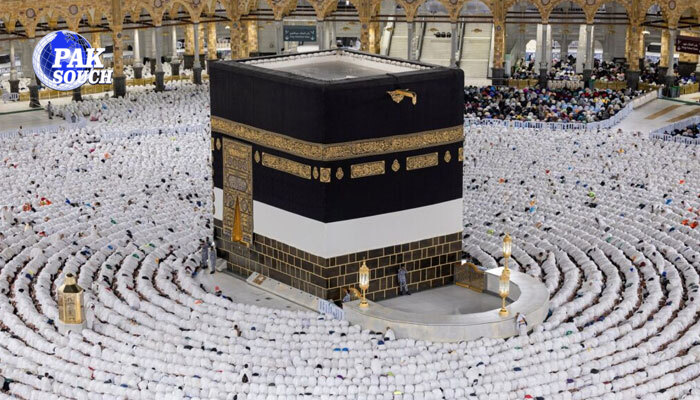
Islamabad: The Federal Cabinet has approved Pakistan’s Hajj Policy and Strategic Plan for 2027–2030, introducing a long-term framework aimed at improving the registration process, expanding accessibility, and modernizing Hajj management through digital reforms.
During a cabinet briefing, officials explained that the new policy will allow intending pilgrims to register for Hajj in advance for any year up to 2030. Under the new system, applicants will be able to secure their place ahead of time, and a priority-based waiting list will be maintained to ensure a more transparent and organized allocation process.
The government said the policy is designed to provide greater convenience for citizens planning to perform Hajj in future years, while also enabling authorities to manage applications more efficiently.
A key feature of the policy is the introduction of a Shariah-compliant Hajj savings scheme. According to the cabinet, the savings program will allow prospective pilgrims to gradually save money for their pilgrimage through a mechanism that adheres to Islamic financial principles. The initiative is intended to make Hajj more financially accessible by helping people prepare for the cost of the pilgrimage over time.
The cabinet was informed that the government also plans to fully digitize the Hajj management system. The digital transformation will cover various aspects of the pilgrimage process, including registration, application management, and administrative procedures, with the aim of improving efficiency, transparency, and service delivery.
As part of governance reforms, the Federal Cabinet directed that the appointment of Hajj assistants should be carried out through a transparent and strictly merit-based process. The government emphasized that selections should be free from favoritism and based solely on eligibility and competence.
The cabinet also instructed the relevant authorities to ensure third-party validation of both government and private Hajj operations. Independent verification is expected to enhance accountability, maintain service standards, and ensure compliance with the policies governing Hajj arrangements.
Officials said the new strategic plan reflects the government’s broader objective of modernizing Hajj administration, improving transparency, and providing better services to pilgrims through technology-driven reforms and long-term planning.
The approval of the 2027–2030 Hajj Policy marks a significant step toward creating a more structured, efficient, and accessible pilgrimage management system, while introducing financial planning tools and oversight mechanisms intended to benefit intending pilgrims across Pakistan.
About The Author