

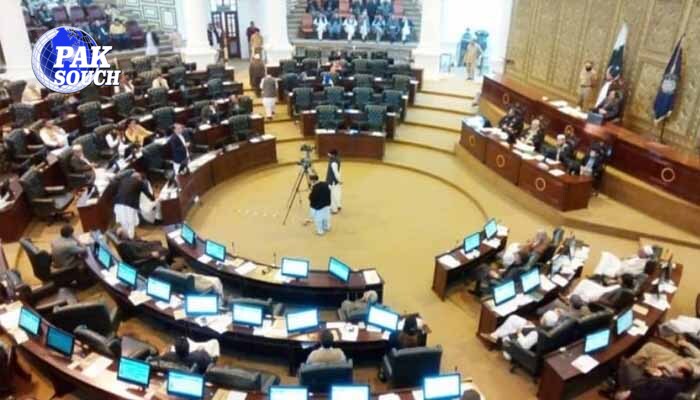
Peshawar: The Khyber Pakhtunkhwa (KP) Assembly has passed an amendment to its Privileges Act, introducing stricter penalties for violations related to the dignity, proceedings, and privileges of the provincial legislature.
Under the newly approved law, individuals found guilty of violating the Assembly’s privileges may face imprisonment, fines, or both, depending on the nature and severity of the offence. The legislation aims to safeguard the integrity of the Assembly, protect its official proceedings, and regulate the publication of legislative business.
One of the key provisions of the amendment prohibits the publication or broadcast of Assembly proceedings, standing committee reports, questions, resolutions, motions, or adjournment motions before they are formally presented in the House or officially released. Any unauthorized disclosure of such material before its official publication will constitute an offence under the Act.
The law also prescribes penalties for publishing distorted or misleading reports of Assembly proceedings or speeches delivered by lawmakers. Anyone found guilty of publishing a distorted account of Assembly proceedings or a member’s speech may be sentenced to up to three months in prison, fined up to Rs300,000, or both.
In cases involving the publication of prohibited Assembly proceedings or reports of standing committees, the penalties are more severe. Offenders may face up to six months’ imprisonment, a fine of up to Rs1 million, or both.
The amendment further criminalizes the publication of statements deemed defamatory or insulting to the Assembly or damaging to its dignity. Individuals convicted under this provision may receive up to six months in prison, a fine of up to Rs500,000, or both.
The legislation also includes protections for Assembly officials. Any person found guilty of assaulting an Assembly officer or obstructing them from performing their official duties may be punished with up to one month’s imprisonment, a fine of up to Rs100,000, or both.
According to the Assembly, the amendments are intended to strengthen legislative privileges, preserve the confidentiality of official proceedings until their authorized release, and ensure respect for the institution and its functioning.
The passage of the amendment has drawn attention from legal and media circles, particularly regarding its implications for reporting on legislative affairs and the balance between protecting parliamentary privilege and safeguarding freedom of expression. Supporters argue that the law reinforces the Assembly’s authority and prevents the unauthorized disclosure or misrepresentation of official proceedings, while critics are expected to closely examine its impact on press freedom and public access to information.
The newly approved amendment will come into force in accordance with the legal procedures prescribed after its formal enactment.
About The Author