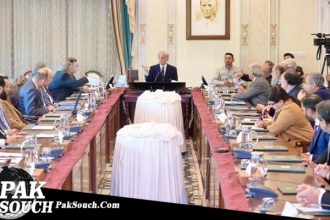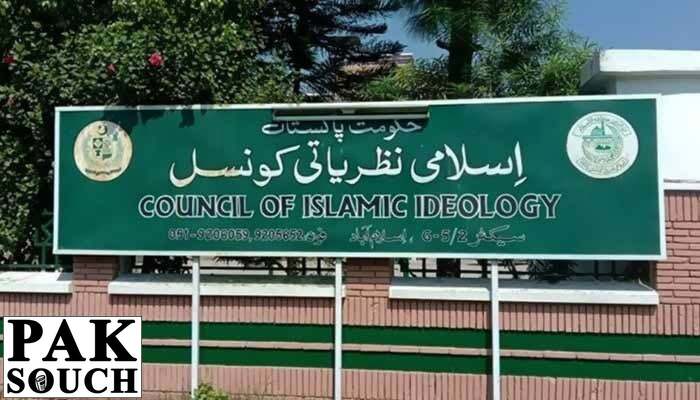
The Council of Islamic Ideology (CII), Pakistan’s constitutional body that advises the government on laws in light of Islamic principles, has issued significant declarations after its latest meeting in Islamabad. The council has ruled that the withholding tax system is un-Islamic, describing it as unjust and exploitative. Additionally, the body expressed serious reservations over a recent Supreme Court verdict concerning post-nikah divorce settlements, proposed amendments to the Diyat (blood money) law, and other policy matters, while also making recommendations on medical and social issues.
Withholding Tax Declared Un-Islamic
One of the most striking outcomes of the meeting, chaired by Chairman Dr. Raghib Naeemi, was the categorical rejection of the withholding tax mechanism. The CII stated that withholding tax amounts to zulm (oppression or injustice) since it forcibly deducts money from citizens’ incomes without aligning with the spirit of Shariah taxation principles.
Withholding tax, currently applied to a wide range of financial transactions in Pakistan—from salaries and services to banking and property transfers—has long been criticized for burdening individuals who are not necessarily taxpayers in the conventional sense. According to the CII, such a system undermines the principles of fairness and transparency central to Islamic economic law.
The ruling could have significant policy implications, as Pakistan’s tax system heavily relies on withholding taxes for revenue collection. If the government considers this advice seriously, it may trigger a wider debate about restructuring the taxation framework in accordance with Islamic finance principles.
Concerns Over Supreme Court Ruling on Divorce Settlements
The council also voiced strong objections to a Supreme Court ruling issued on September 11, which mandated the payment of maintenance (nafaqah) to a woman in cases where divorce occurs after the nikah (marriage contract) but before rukhsati (the consummation or actual transfer of the bride to the groom’s household).
According to the CII, this interpretation contradicts Qur’an and Sunnah, as traditional Islamic jurisprudence distinguishes between rights and obligations before and after consummation. The council argued that imposing financial obligations in such cases creates legal inconsistency and religious conflict. It urged lawmakers and courts to revisit this decision to ensure harmony between judicial rulings and Islamic injunctions.
Human Milk Banks Under Scrutiny
Another matter discussed was the establishment of human milk banks, an idea floated in some policy circles to help infants deprived of maternal milk. The CII cautiously allowed the possibility of setting up such institutions but with strict conditions.
The council stressed that:
- No such institutions should be set up without proper legislation.
- The CII must be part of the legislative process to ensure compliance with Islamic injunctions regarding milk kinship (raza’at), which establishes certain familial bonds and marriage prohibitions.
This cautious approval reflects the council’s effort to balance modern medical needs with traditional Islamic rulings on family and kinship.
Opposition to Proposed Amendments in Diyat Law
The CII also rejected proposed amendments to Pakistan’s Diyat law, which governs financial compensation in cases of homicide. The suggested bill aimed to remove silver as a reference point and set gold as the sole standard for calculating blood money.
The council rejected this move, declaring it non-Shariah compliant. It emphasized that the classical standards established in Islamic jurisprudence—based on gold, silver, and camels—must remain part of the law. Removing silver and using only gold, in what the council called an “un-Islamic quantity,” would distort the balance established by Islamic law.
The council further stressed that such legal amendments cannot be made without a full understanding of the Shariah framework governing financial compensations, which has deep historical and religious foundations.
Halal Insulin for Diabetic Patients
The CII also issued a religious clarification on the use of insulin for diabetic patients, a pressing medical issue in Pakistan given the high prevalence of diabetes. It permitted the use of insulin made from halal sources, affirming its compatibility with Islamic principles.
However, the council explicitly prohibited insulin made with porcine (pig-derived) ingredients, advising patients and the healthcare sector to ensure avoidance of such products. It also urged the government to facilitate legislation ensuring halal-certified medical products, particularly in critical treatments like diabetes management.
Broader Implications of the Council’s Rulings
The latest decisions of the CII demonstrate its central role in shaping Pakistan’s legal, economic, and medical frameworks. By declaring withholding tax un-Islamic, questioning Supreme Court rulings, and intervening in proposed legislative changes, the council has reaffirmed its position as a guardian of Shariah compliance in public life.
- On taxation, its ruling could spark a major debate on Pakistan’s revenue collection system, potentially challenging decades-old fiscal structures.
- On divorce and family law, its objection highlights the ongoing tension between judicial interpretation and religious jurisprudence.
- On medical and social issues, such as human milk banks and halal insulin, the council’s guidance reflects an effort to reconcile modern science with traditional Islamic ethics.
Conclusion
The Islamic Ideological Council’s latest meeting marks a critical moment in Pakistan’s legal and policy landscape. By branding withholding tax as exploitative and un-Islamic, rejecting unapproved amendments to Diyat law, and objecting to Supreme Court interpretations on divorce settlements, the council has positioned itself as a strong defender of Islamic principles in governance. Simultaneously, its cautious stance on milk banks and its practical guidance on halal insulin show a willingness to address contemporary challenges through a Shariah lens.
As Pakistan continues to balance modern statehood with its Islamic identity, the CII’s rulings are likely to spark intense debate across legal, political, and religious circles. The government now faces the task of deciding whether to align its fiscal, judicial, and legislative frameworks more closely with the council’s recommendations—or to pursue a more secular approach that prioritizes administrative ease and global standards.