

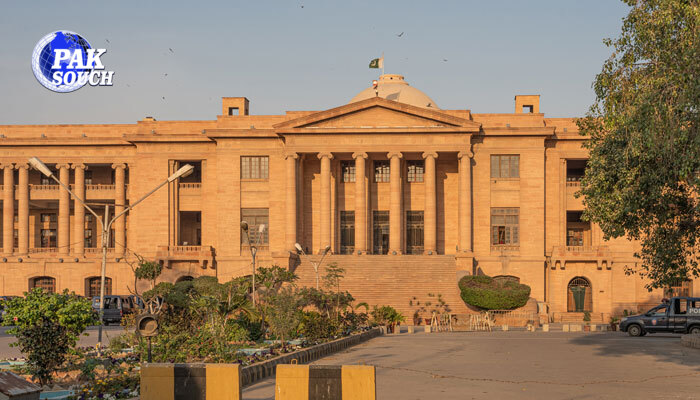
KARACHI: The Sindh High Court (SHC) has dismissed a constitutional petition challenging the mechanism used to determine petroleum product prices, ruling that the matter falls within the policy-making authority of the government and Parliament.
The case was heard by a constitutional bench of the Sindh High Court, which declared the petition inadmissible and rejected it.
In its ruling, the court observed that the determination of petroleum prices and related taxes is a matter entrusted to the executive and the legislature, and therefore lies outside the scope of judicial intervention in the absence of a constitutional violation.
The bench held that formulating economic and fiscal policies is the responsibility of the government, and courts generally refrain from interfering in such policy decisions unless they conflict with constitutional or legal provisions.
According to the judgment, the petitioner failed to establish that any fundamental right guaranteed under the Constitution had been violated by the existing petroleum pricing mechanism.
The court further noted that mere dissatisfaction with the level of fuel prices or the government’s pricing policy does not, by itself, provide sufficient grounds for maintaining a constitutional petition.
The ruling reinforces the principle that policy decisions involving taxation, pricing, and broader economic management primarily fall within the domain of elected institutions rather than the judiciary.
Petroleum prices in Pakistan are periodically reviewed by the federal government, taking into account factors such as international oil prices, exchange rate movements, taxes, levies, and other economic considerations.
The dismissal of the petition means that the current mechanism for determining petroleum product prices remains unchanged unless modified by the government or through legislative action. The judgment also underscores the court’s position that challenges to economic policy must demonstrate a clear constitutional or legal infringement before judicial review can be invoked.
About The Author