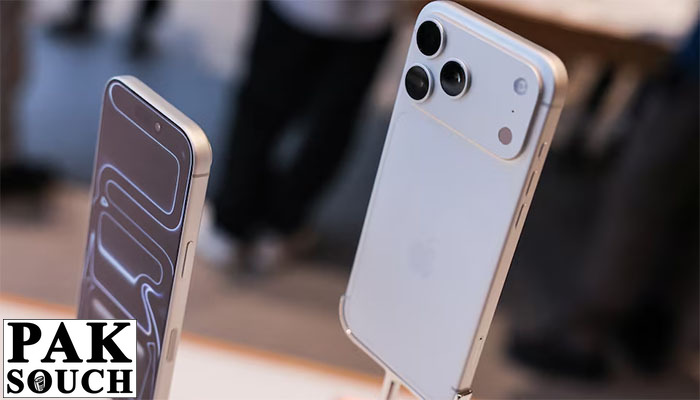
Apple’s much-anticipated iPhone 17 series, officially unveiled on September 9 and released for sale worldwide on September 19, has already stirred controversy. Within hours of its launch, early buyers began reporting what they describe as a major flaw in the new devices: susceptibility to scratches. Despite Apple’s claims of stronger durability, users across social media platforms are labeling the iPhone 17 models as “scratch magnets” and sharing visual evidence of their concerns.
Early Complaints and Social Media Buzz
Reports of scratches began surfacing only a few hours after the new phones reached consumers. On X (formerly Twitter), one user uploaded a video showing visible scratches on the back of his brand-new iPhone 17 Pro Max. He referred to the issue as “Scratchgate,” drawing parallels with earlier Apple controversies like “Bendgate” and “Antennagate.”
Another customer posted a photo of the iPhone 17 Air model, showing scratches even after minimal use. “This isn’t a phone, it’s a scratch magnet,” the post read, sparking heated debate among Apple fans and critics alike.
YouTube reviewers also conducted scratch-resistance tests, using everyday objects such as coins, keys, screwdrivers, and even lighters. The results were concerning: while some models fared reasonably well, the orange and blue variants of the iPhone 17 Pro were shown to scratch alarmingly easily. This contrasted sharply with Apple’s promotional claims.
Apple’s Claims vs. User Experiences
When introducing the iPhone 17 Pro and Pro Max on September 9, Apple highlighted the durability of the devices, boasting about a new ceramic shield on the back panel. According to the company, the shield offered “three times stronger protection against scratches and everyday wear.” However, user experiences tell a different story.
The contradiction has raised questions about whether the flaw lies in the material itself or in certain color finishes. Analysts suggest that darker colors often conceal scratches better than lighter shades, but in this case, the orange and blue finishes—intended to be highlights of the series—are showing scratches prominently.
Why Scratches Matter
For many users, cosmetic durability is nearly as important as technical performance. iPhones are premium devices, with price tags often exceeding $1,000. Buyers expect them to not only function flawlessly but also retain their sleek, polished look. Scratches within hours of purchase are frustrating for consumers who invest heavily in Apple’s ecosystem.
In addition, scratches may reduce the resale value of devices, which is a significant factor for Apple customers who upgrade every year or two. Social media posts have already highlighted anger from users who feel their investment has been undermined.
Consumer Reactions
The controversy has triggered a wide range of reactions online. Apple loyalists argue that scratches are inevitable with any smartphone and can be avoided with proper cases and screen protectors. Critics, however, insist that Apple marketed the iPhone 17 series as exceptionally durable and failed to deliver on its promises.
Hashtags such as #Scratchgate and #iPhone17Problems have started trending on social media. Tech reviewers have amplified the issue by posting side-by-side comparisons between the new iPhones and rival devices, such as Samsung’s Galaxy S24 and Google’s Pixel 9, which reportedly show better scratch resistance in similar tests.
Lessons from Apple’s History
This is not the first time Apple has faced such scrutiny. In 2010, the iPhone 4’s “Antennagate” controversy forced the company to provide free bumper cases to consumers after widespread complaints of poor reception. Similarly, the “Bendgate” scandal during the iPhone 6 launch questioned the structural integrity of Apple’s slim designs.
The emergence of “Scratchgate” suggests a recurring pattern: Apple emphasizes design and innovation but sometimes falls short in durability testing. Critics argue that the company, with its vast resources, should anticipate these issues during product development rather than leaving customers to discover flaws.
What Comes Next?
As of now, Apple has not issued an official response regarding the scratch complaints. Tech experts believe the company may downplay the issue initially, as it often does, before offering a solution if the backlash continues. Possible responses could include:
- Clarifying that the scratches are cosmetic and do not affect performance.
- Offering discounted replacements for affected units.
- Updating future manufacturing batches with improved coating or finish.
Meanwhile, third-party accessory makers are likely to benefit from the situation. Sales of protective cases, skins, and screen protectors are expected to rise sharply as consumers seek to protect their expensive devices.
Broader Implications
The controversy comes at a sensitive time for Apple. With global smartphone sales facing slow growth and competition intensifying, customer trust and brand reputation are more critical than ever. Any perception of declining quality could hurt Apple’s market share, especially in regions where competitors offer cheaper but equally durable alternatives.
Moreover, Apple’s emphasis on sustainability and long-lasting products could also be undermined by these reports. If consumers believe that the iPhone 17 cannot withstand everyday use without cosmetic damage, it raises questions about how long the device will remain appealing as a premium product.
Conclusion
The launch of the iPhone 17 series was meant to showcase Apple’s innovation in design, performance, and durability. Yet, only days into its release, the company finds itself dealing with a controversy dubbed “Scratchgate.” With users reporting visible scratches on models that were advertised as three times more resistant, Apple now faces the challenge of addressing consumer dissatisfaction while protecting its reputation.
Until the company provides a clear explanation or solution, buyers will likely continue to debate whether the iPhone 17 series lives up to Apple’s promise of premium quality—or whether it is just another reminder that even the most sophisticated technology is not immune to everyday wear and tear.