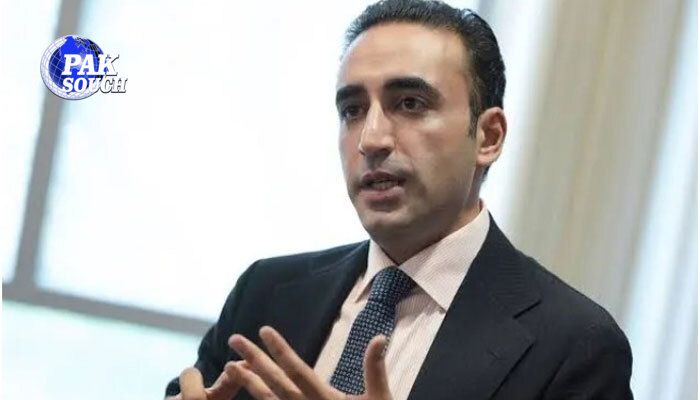
ISLAMABAD: Pakistan Peoples Party (PPP) Chairman Bilawal Bhutto Zardari has described July 5, 1977, as one of the darkest chapters in Pakistan’s democratic history, saying it marked the day when the people’s mandate, the Constitution, and the country’s parliamentary democratic system were overthrown.
In a statement issued to mark the anniversary of the military takeover, Bilawal said the events of July 5 represented a serious setback to Pakistan’s democratic journey. He stated that the intervention against the elected government undermined constitutional governance and delayed the country’s democratic development for years.
“July 5, 1977, is the darkest day in Pakistan’s democratic history, when the people’s mandate, the Constitution, and parliamentary democracy were attacked,” Bilawal said in his statement.
The PPP chairman paid tribute to the party’s founding chairman, Shaheed Zulfikar Ali Bhutto, former Prime Minister Shaheed Benazir Bhutto, and thousands of political workers who, he said, sacrificed their lives and freedom in the struggle for democracy.
According to Bilawal, those who imposed authoritarian rule believed they could silence the voice of the people through force. However, he said history had proven that democratic ideals, constitutional supremacy, and the will of the people could never be permanently suppressed.
“The dictatorship believed it could silence the people, but the sacrifices of Shaheed Zulfikar Ali Bhutto, Shaheed Mohtarma Benazir Bhutto, and countless democracy-loving workers proved that truth and the sovereignty of the people can never be defeated,” he said.
Bilawal emphasized that the PPP continues to remain committed to protecting Pakistan’s democratic institutions and constitutional framework. He said that despite the passage of 49 years, the party’s resolve remains unchanged.
“Even after 49 years, our commitment remains the same. We will defend the supremacy of the Constitution at every cost. We will continue to safeguard the sanctity of the vote, parliamentary democracy, and the people’s right to govern through their elected representatives,” he added.
The PPP chairman stressed that democracy is not merely a political system but the foundation for protecting citizens’ fundamental rights, ensuring the rule of law, strengthening state institutions, and promoting sustainable national development.
He said Pakistan’s future depends on democratic continuity, constitutional supremacy, and respect for public opinion expressed through free and fair elections. According to Bilawal, political stability can only be achieved when democratic institutions function independently and within the constitutional framework.
Bilawal also said that honoring the sacrifices of democratic leaders and political workers requires a collective commitment to reject authoritarianism and political intolerance.
“The true tribute to our martyrs is to reject every shadow of dictatorship and hatred while continuing to build a united, democratic, constitutional, and progressive Pakistan,” he said.
He urged political forces and state institutions to work together for strengthening democracy, protecting constitutional values, and ensuring that future generations inherit a stable political system based on justice, equality, and public participation.
The PPP chairman reiterated that respect for the Constitution and democratic traditions remains central to his party’s political philosophy. He said the party would continue advocating for parliamentary supremacy, independent institutions, and the protection of civil liberties.
Historical Background
On July 5, 1977, then Chief of Army Staff General Muhammad Zia-ul-Haq removed the elected government of Prime Minister Zulfikar Ali Bhutto through a military coup and imposed martial law across Pakistan. The military takeover followed months of political unrest after the 1977 general elections, which were disputed by the opposition alliance.
The coup led to the suspension of constitutional processes and the beginning of military rule that continued for more than a decade. During this period, political activities faced significant restrictions, several political leaders were arrested, and democratic institutions operated under military oversight.
Zulfikar Ali Bhutto was later tried in a murder case and executed in April 1979, a verdict that has remained the subject of political and legal debate for decades. His daughter, Benazir Bhutto, emerged as a leading figure in the movement for the restoration of democracy and later became Pakistan’s first female Prime Minister.
Every year on July 5, the Pakistan Peoples Party commemorates the anniversary by paying tribute to those who struggled for democratic governance and by reiterating its commitment to constitutional rule, parliamentary democracy, and the protection of the people’s electoral mandate.
About The Author