

Islamabad: Prime Minister Shehbaz Sharif has formed a high-powered committee ahead of the upcoming federal budget to examine the cross-subsidy system and review the alleged extraordinary profits of around Rs72 billion earned by Oil Marketing Companies (OMCs) during fluctuations in global oil prices following the Gulf conflict.
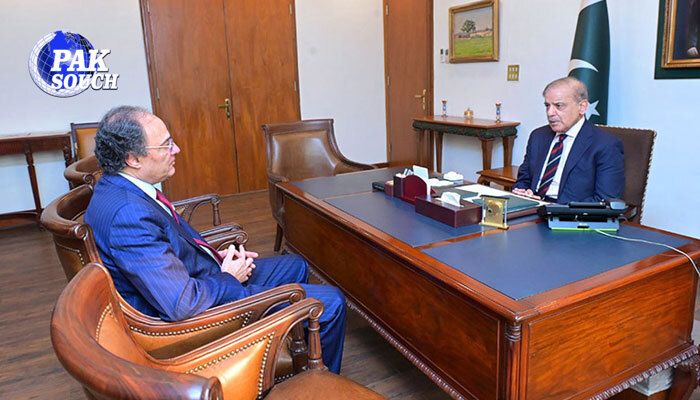
According to official details, the committee has been established under the leadership of Federal Finance Minister Muhammad Aurangzeb and has been tasked with evaluating major fiscal and economic issues connected to the upcoming federal budget.
The government is reportedly considering whether a mechanism can be introduced to recover or regulate the unusually high profits earned by OMCs during periods of sharp international oil price volatility.
Sources say the profits came at a time when global energy markets experienced major fluctuations due to geopolitical tensions and conflict in the Gulf region, affecting petroleum prices worldwide.
The committee’s responsibilities will extend beyond reviewing oil sector profits. It has also been directed to examine a range of important economic and budgetary matters, including austerity measures, prioritization of development expenditures, reforms in the energy sector, and implementation of rightsizing initiatives across ministries and government divisions.
The formation of the committee reflects the government’s efforts to manage economic pressures while preparing the federal budget amid ongoing fiscal challenges, inflation concerns, and demands for structural reforms.
Finance Minister Muhammad Aurangzeb will serve as the head of the committee. The ministers for economic affairs, planning, and law have also been included as members.
In addition, former bureaucrat Musharraf Rasool has been appointed as the Chief Technical Adviser to assist the committee in technical and policy matters. The Additional Secretary Budget will also be part of the body.
Officials familiar with the development said the committee is expected to provide recommendations regarding financial discipline, public expenditure management, and possible regulatory actions in sectors where excessive profits may have been generated due to extraordinary market conditions.
The issue of profits earned by oil marketing companies has attracted attention in recent months as fuel prices globally witnessed major swings due to regional instability and supply uncertainties. Governments in several countries have explored temporary taxes or regulatory mechanisms to address windfall profits generated during such periods.
In Pakistan, rising energy costs have remained a sensitive public issue because petroleum prices directly affect transportation, electricity generation, inflation, and overall living expenses.
Analysts believe the committee’s review of OMC profits could potentially lead to discussions about regulatory reforms, taxation measures, or pricing mechanisms aimed at protecting consumers while maintaining market stability.
The government is also under pressure to improve fiscal management and reduce unnecessary expenditures as it works on economic stabilization efforts and broader reform commitments.
The mention of “cross-subsidy” in the committee’s mandate suggests that authorities may be considering adjustments in pricing structures where profits from certain sectors or consumer categories could be used to offset costs elsewhere in the energy chain.
Experts note that reforms in the energy sector remain essential for Pakistan’s long-term economic stability, as circular debt, fuel pricing disputes, and inefficiencies continue to place heavy pressure on public finances.
The committee is expected to play a significant role in shaping policy recommendations before the announcement of the federal budget, which is likely to focus heavily on revenue generation, expenditure control, and economic restructuring.
Observers say the government’s decision to review extraordinary profits earned during volatile market conditions signals an effort to balance business interests with broader public and fiscal concerns amid challenging economic circumstances.
About The Author