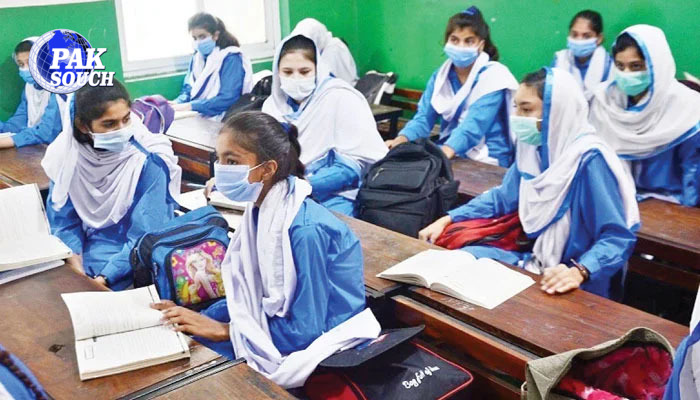
The Sindh Education Department has issued a fresh set of directives for private schools across the province regarding the collection and management of student fees, aiming to ensure transparency and prevent overcharging of students during examination periods.
According to Additional Director of Registration Rafia Javaid, the new academic year 2026–27 has already commenced from April 1, 2026. Under the revised guidelines, private schools have been instructed to collect fees from matriculation students only up to March 2026.
She clarified that since matriculation examinations in Sindh begin on April 10, 2026, no additional fees should be charged from students appearing in the April examinations. The directive is intended to protect students from unnecessary financial burden during their exam period.
Rafia Javaid further explained that students transitioning from Grade 9 to Grade 10 are subject to an already defined fee schedule, which schools must strictly follow without any deviation. The department has made it clear that any attempt to impose extra charges will not be tolerated.
According to the guidelines, fees for June and July 2026 will be collected in April and May respectively. This structured system has been introduced to streamline fee collection and ensure clarity for both parents and institutions.
The directive also includes students from pre-primary to Grade 9, bringing them under the updated fee framework. Schools have been instructed to issue separate fee vouchers for different months to avoid confusion.
Officials stated that June fee vouchers will remain valid until June 30, while July vouchers will be valid until July 31, 2026. This measure is aimed at improving administrative efficiency and ensuring timely payment cycles.
The education department emphasized that the move is part of broader efforts to regulate private school fee structures and safeguard the interests of students and parents. By standardizing fee collection practices, the government hopes to reduce disputes and bring more transparency to the education sector.