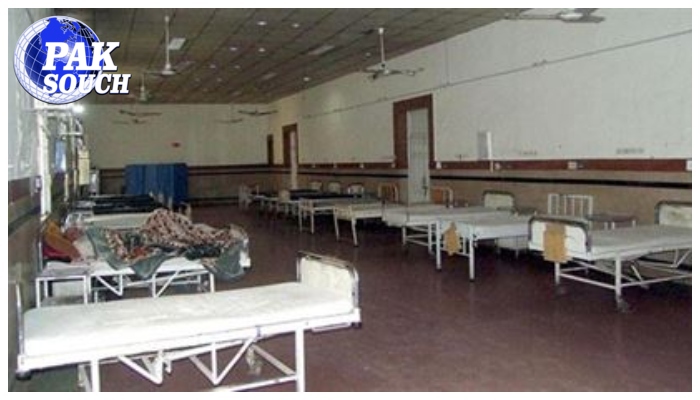
Quetta: A concerning revelation has emerged from a recent report by the Balochistan Healthcare Commission, which shows that only 11 hospitals across the province meet the required health services standards. The findings highlight serious deficiencies in the healthcare system of Balochistan, raising questions about patient safety, quality of care, and regulatory oversight.
According to the report, out of all healthcare facilities operating in the province, only two government hospitals and nine private hospitals have been found compliant with the prescribed standards for health services. These 11 hospitals have been issued licenses after meeting the Standard Operating Procedures (SOPs) for providing medical facilities, the report stated.
The disclosure comes at a time when public concern over healthcare conditions in Balochistan is already high. Patients and attendants frequently complain about the shortage of medicines, lack of basic facilities, and poor service delivery in public hospitals, particularly in Quetta and other major cities of the province.
The Balochistan Healthcare Commission’s report further revealed that a total of 1,540 hospitals, laboratories, clinics, and medical centers are registered with the commission across the province. However, an overwhelming 1,529 of these facilities fail to meet even the basic standards of treatment and healthcare services.
This means that the vast majority of healthcare institutions in Balochistan are operating below acceptable medical standards, potentially putting patients’ lives at risk. The report notes that these deficiencies include inadequate infrastructure, lack of qualified staff, poor hygiene and sanitation, absence of essential medical equipment, and non-compliance with patient safety protocols.
One of the most alarming aspects of the report is the disclosure that government hospitals are also operating without obtaining licenses from the Healthcare Commission. This indicates a serious lapse in regulatory enforcement, as public sector hospitals are expected to set an example by adhering strictly to healthcare laws and standards.
Officials of the Healthcare Commission expressed deep concern over the situation, stating that the operation of medical institutions without proper licensing and quality assurance poses a significant threat to patient safety. They warned that substandard healthcare facilities can lead to misdiagnosis, medical negligence, infections, and avoidable complications, particularly for vulnerable patients.
The report also draws attention to the broader challenges facing the healthcare sector in Balochistan. The province has long struggled with limited resources, shortages of doctors and paramedical staff, and inadequate funding for health infrastructure. These problems are more severe in remote and rural areas, where access to quality healthcare is extremely limited.
Health experts believe that the lack of compliance with basic healthcare standards reflects systemic weaknesses rather than isolated failures. They argue that without strict monitoring, regular inspections, and meaningful accountability, the situation is unlikely to improve. The licensing of only 11 hospitals suggests that regulatory mechanisms have either been ineffective or insufficiently enforced over a long period.
The Healthcare Commission has emphasized the need for urgent reforms to improve healthcare quality in the province. Commission officials have called for stricter implementation of regulations, increased inspections, and corrective actions against institutions that fail to meet minimum standards. They have also stressed the importance of capacity-building initiatives to help hospitals and clinics improve their services and comply with SOPs.
In addition, healthcare advocates are urging the provincial government to prioritize health sector reforms. They argue that ensuring safe and quality healthcare is a fundamental responsibility of the state and should not be compromised. Investment in infrastructure, training of medical staff, and availability of medicines are seen as critical steps toward addressing the crisis.
The findings of the report have sparked debate among policymakers, healthcare professionals, and civil society organizations. Many have demanded transparency and a clear action plan from the authorities to address the alarming gaps in healthcare standards. There are also calls for public disclosure of non-compliant facilities so that patients can make informed decisions about where to seek treatment.
In conclusion, the revelation that only 11 hospitals in Balochistan meet health services standards paints a troubling picture of the province’s healthcare system. With more than 1,500 registered healthcare facilities failing to meet basic criteria, the report underscores the urgent need for regulatory enforcement, institutional reforms, and sustained investment. Without immediate and effective action, patient safety and public trust in the healthcare system are likely to remain at serious risk.