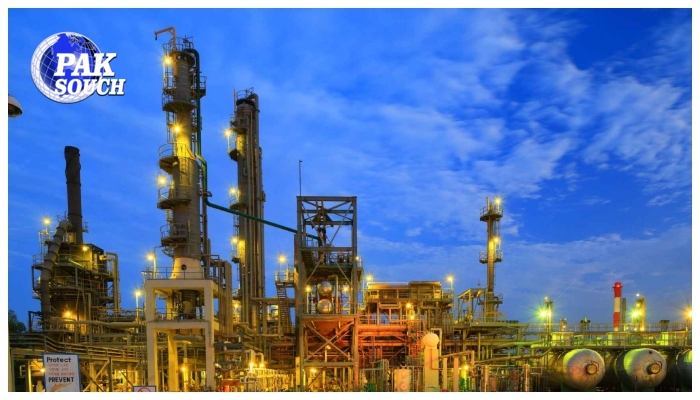
The supply of crude oil to Attock Refinery has resumed after authorities lifted restrictions on the movement of oil tankers, easing concerns over a potential fuel shortage in northern Pakistan. The development comes as a relief following fears that the refinery might shut down due to a disruption in crude oil deliveries.
Earlier, restrictions on tanker movement had severely affected the transportation of crude oil to the refinery, raising alarms within the energy sector. Officials had warned that if the situation persisted, the refinery’s main distillation unit could be forced to halt operations, which would have significant consequences for fuel availability in key regions.
With the removal of these restrictions, the immediate risk of fuel shortages—particularly in northern areas—has largely subsided. Refinery officials have expressed optimism that production will stabilize soon as the supply chain returns to normal. The resumption of operations is expected to ensure a steady flow of refined petroleum products, including jet fuel, diesel, and petrol.
The disruption had previously sparked concerns about a possible shortage of jet fuel at major airports, including Islamabad and Peshawar. Aviation authorities were closely monitoring the situation, as any prolonged توقف in refinery operations could have impacted flight schedules and overall air travel operations.
The issue had largely stemmed from traffic restrictions in Rawalpindi, which hindered the movement of oil tankers carrying crude supplies. This bottleneck highlighted the حساس nature of logistics in the energy sector, where even temporary disruptions can have cascading effects across multiple industries.
Energy experts note that uninterrupted supply chains are critical for maintaining refinery operations and avoiding volatility in fuel markets. The swift resolution of the issue has therefore helped avert a larger crisis that could have affected transportation, aviation, and industrial activities.
The Attock Refinery plays a vital role in meeting fuel demands in the northern parts of the country, making its continuous operation essential for economic stability. Any disruption not only affects local supply but can also put pressure on national fuel reserves.