

ISLAMABAD — Pakistan’s Foreign Office has clarified that Field Marshal Asim Munir’s recent visit to Iran was not undertaken as a representative of US President Donald Trump or the United States.
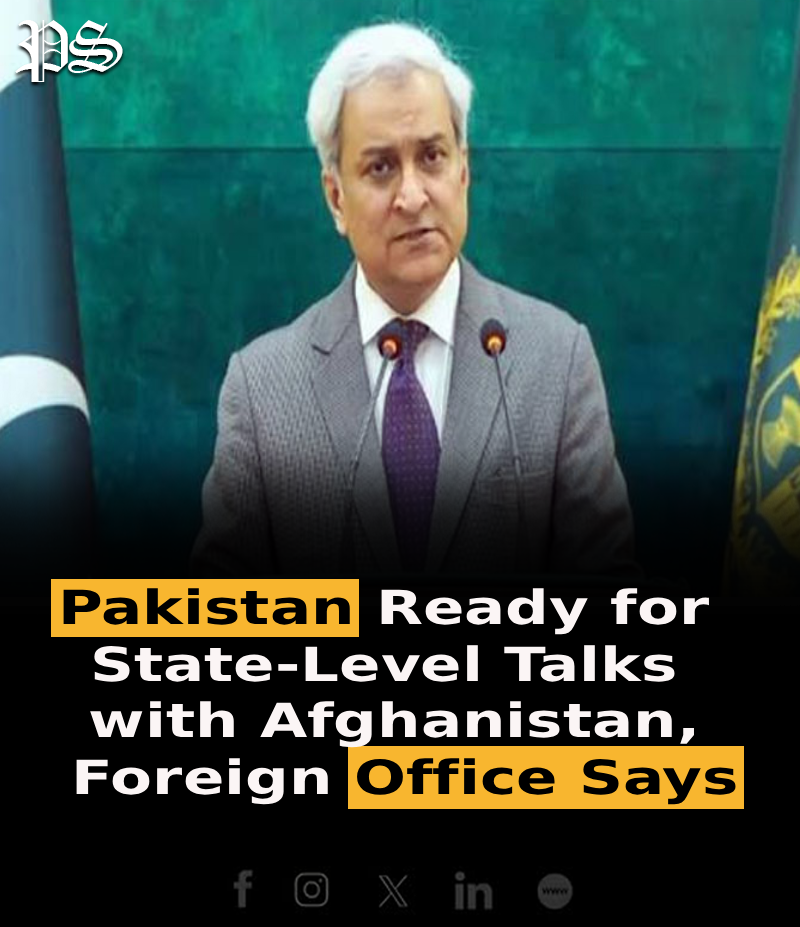
Speaking at the weekly media briefing in Islamabad, Foreign Office spokesperson Tahir Andrabi said the visit was part of Pakistan’s ongoing diplomatic efforts aimed at reducing tensions in the region and encouraging a negotiated solution to the crisis in the Middle East.
The clarification comes amid growing diplomatic activity surrounding regional tensions. Pakistan has been engaging with friendly and brotherly countries as part of efforts to promote dialogue, de-escalation and regional stability.
Andrabi emphasized that Field Marshal Asim Munir’s visit to Iran should be understood in the context of Pakistan’s own diplomatic initiatives. He said the military leadership’s discussions with Iranian officials focused on ways to reduce regional tensions and explore a negotiated resolution to ongoing challenges.
The spokesperson rejected any suggestion that Munir had travelled to Iran as an envoy of President Trump or as a representative of the United States. Pakistan’s engagement, he said, was based on Islamabad’s own diplomatic position and its efforts to contribute to peace and stability in the region.
Pakistan has increasingly emphasized diplomacy as a means of addressing the wider Middle East crisis. Islamabad maintains close relations with several countries in the region and has sought to use these relationships to encourage dialogue and prevent further escalation.
According to the Foreign Office, Pakistan is in contact with brotherly countries as part of its efforts to reduce tensions and help find a solution to the Middle East crisis. Islamabad’s diplomatic efforts are also aimed at supporting regional peace and stability.
A key objective of Pakistan’s efforts is reportedly to help create conditions that could facilitate the reopening of the Strait of Hormuz, one of the world’s most strategically important maritime routes. Disruptions in the waterway can have significant implications for international trade, energy supplies and regional economies.
The spokesperson said the Iranian leadership had appreciated Pakistan’s role and diplomatic efforts. Pakistan views such engagement as part of its broader contribution to regional peace rather than as an effort to represent another country.
During the briefing, the Foreign Office also discussed Prime Minister Shehbaz Sharif’s upcoming participation in the Shanghai Cooperation Organisation (SCO) summit in Bishkek. The prime minister is expected to attend the summit and hold bilateral meetings on the sidelines.
Pakistan has assumed the SCO chairmanship for a one-year period and is scheduled to host the SCO summit in Islamabad in 2027. The chairmanship provides Islamabad with an additional diplomatic platform to engage with member states on regional security, economic cooperation and connectivity.
The Foreign Office’s comments on Munir’s Iran visit underline Pakistan’s stated desire to maintain an independent diplomatic role amid heightened regional tensions. Rather than acting as an intermediary on behalf of Washington, Pakistan says its efforts are focused on encouraging dialogue, reducing confrontation and supporting a negotiated settlement.
The diplomatic engagement also reflects the importance Islamabad places on maintaining communication with Tehran and other regional partners at a time when tensions in the Middle East have broader consequences for South Asia.
Pakistan’s position is that sustained dialogue and diplomatic engagement remain essential to preventing further escalation. Islamabad has indicated that it will continue consultations with regional partners in pursuit of peace, stability and the restoration of normal maritime and commercial activity.
The Foreign Office’s latest statement therefore seeks to clearly distinguish Pakistan’s diplomatic initiative from any US-led effort, while emphasizing Islamabad’s intention to play a constructive role in efforts to de-escalate the regional crisis.
About The Author