

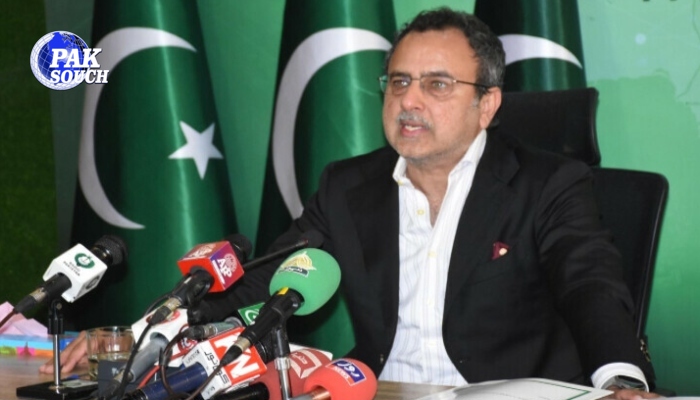
Islamabad: Federal Minister for Energy Awais Leghari said the International Monetary Fund (IMF) has not yet allowed Pakistan to provide cheaper electricity during selected hours of the day.
Speaking at the Battery Storage Flexibility 2026 Conference in Islamabad, Leghari said the government has been negotiating with the IMF for several months to secure approval for the initiative. He explained that offering lower electricity tariffs during specific hours could increase power consumption and improve the utilization of the national grid.
The minister cited an example from Australia, where a company significantly increased electricity sales by introducing time-based pricing. He expressed confidence that the IMF could eventually be convinced after reviewing Pakistan’s energy reform plans.
Leghari also said Pakistan is undergoing major energy sector reforms and that the country’s first comprehensive energy plan will be unveiled by April next year. He noted that wider adoption of battery storage technology would allow consumers to store solar energy generated during the day and use it at night.
According to the minister, clean energy now accounts for 55% of Pakistan’s electricity generation, and the government aims to raise that share to 90% by 2035. He stressed that achieving this target will require battery energy storage systems alongside solar and wind power. He added that the government is encouraging local battery manufacturing, engineering, system integration, and battery management software development instead of relying on imports.
About The Author