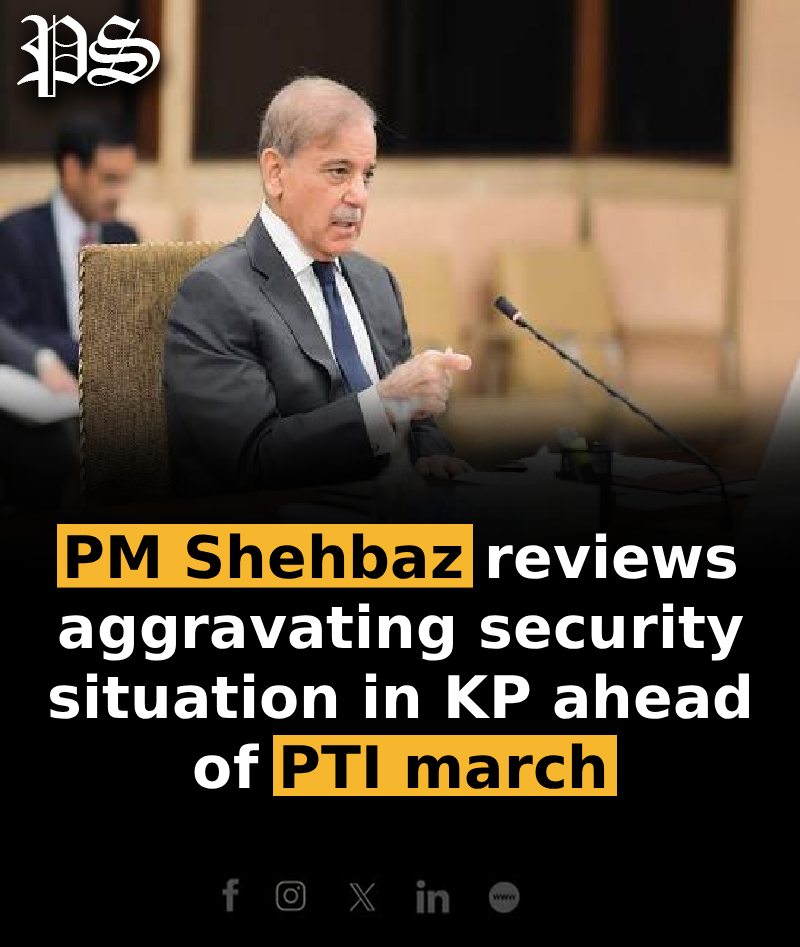


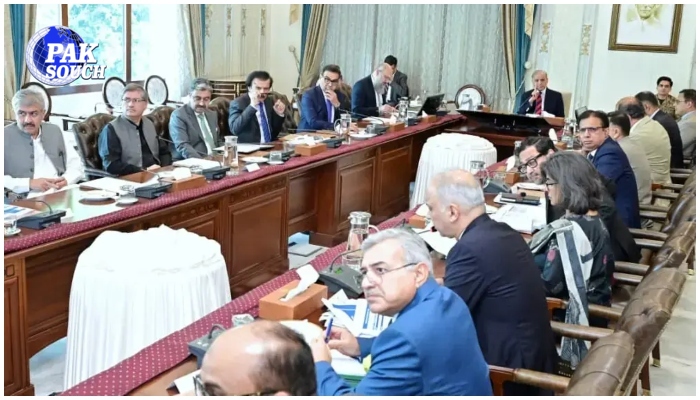
Islamabad: Prime Minister Shehbaz Sharif has directed all relevant government departments to complete every stage of Pakistan’s privatization program within the prescribed deadlines, emphasizing the need for strict adherence to the government’s approved targets and implementation timelines. The instructions came during a high-level meeting chaired by the prime minister to review progress on the privatization of state-owned enterprises (SOEs), one of the government’s key economic reform initiatives aimed at improving efficiency, reducing the financial burden on the national exchequer, and attracting private-sector investment.
During the meeting, the prime minister stressed that while the government remains committed to advancing its privatization agenda, strategic public interests must continue to be safeguarded. In particular, he highlighted the importance of preserving the developmental role of the Zarai Taraqiati Bank Limited (ZTBL), Pakistan’s specialized agricultural bank, throughout the privatization process.
Privatization Process Must Follow Approved Timelines
Prime Minister Sharif instructed officials to ensure that all milestones under the privatization program are completed within the established timeframe. He emphasized that unnecessary delays should be avoided and that all ministries and departments involved should coordinate closely to guarantee smooth implementation.
He said the privatization process should remain transparent, efficient, and aligned with the government’s broader economic reform strategy. According to the prime minister, meeting privatization deadlines is essential to strengthening investor confidence and improving the performance of public-sector enterprises.
The meeting reviewed the status of various privatization initiatives, including preparations related to financial institutions and other state-owned organizations earmarked for restructuring or privatization.
Special Instructions Regarding Zarai Taraqiati Bank
A significant portion of the meeting focused on the proposed privatization of Zarai Taraqiati Bank Limited (ZTBL), which has historically played a central role in financing Pakistan’s agricultural sector.
The prime minister directed officials to develop a privatization framework that protects the bank’s fundamental purpose. He emphasized that any future ownership or management structure should ensure that ZTBL continues serving farmers and supporting agricultural development.
According to the prime minister, privatization should not compromise the institution’s developmental responsibilities. Instead, the transition should strengthen operational efficiency while preserving the bank’s public service mandate.
He instructed policymakers to carefully design the privatization model so that the bank’s long-standing contribution to agriculture remains intact.
Continued Support for Small and Medium Farmers
Prime Minister Sharif specifically emphasized that the interests of small and medium-sized farmers must remain protected after privatization.
He directed authorities to ensure that ZTBL continues prioritizing agricultural financing, particularly for farmers who depend on affordable loans and financial assistance to sustain cultivation and improve productivity.
The prime minister said access to credit is essential for Pakistan’s agricultural economy, particularly for small-scale farmers who often face financial constraints.
He stressed that privatization should not reduce the availability of agricultural loans or make financing more difficult for farmers.
Instead, he said reforms should strengthen the bank’s ability to provide financial services while expanding opportunities for agricultural growth.
Improving Agricultural Productivity
The prime minister noted that increasing agricultural productivity remains one of the government’s major priorities.
He stated that improving farmers’ access to financial resources is crucial for increasing per-acre crop yields, modernizing farming practices, and enhancing food security.
According to him, greater availability of agricultural credit enables farmers to invest in:
- Modern machinery
- Quality seeds
- Fertilizers
- Irrigation systems
- Farm technology
- Climate-resilient agricultural practices
He observed that timely financing helps farmers adopt modern techniques, leading to higher productivity and increased rural incomes.
Balancing Economic Reform with Public Interest
The meeting reflected the government’s attempt to balance economic reforms with broader public welfare objectives.
While privatization is intended to improve operational efficiency and reduce the fiscal burden of loss-making public enterprises, the government indicated that institutions providing essential public services should continue fulfilling their social responsibilities.
Officials discussed mechanisms to ensure that privatized entities remain capable of serving sectors considered vital to national development, particularly agriculture.
The prime minister reiterated that privatization should be viewed not merely as a transfer of ownership but as an opportunity to improve governance, service delivery, and long-term sustainability.
Economic Reform Agenda
Pakistan’s privatization program forms part of the government’s wider economic reform strategy aimed at:
- Improving public-sector efficiency
- Reducing government expenditure
- Attracting domestic and foreign investment
- Enhancing corporate governance
- Increasing competitiveness
- Encouraging private-sector participation
The government believes that greater private-sector involvement can improve service quality while reducing financial pressure on public finances.
However, officials continue to emphasize that strategic national interests and public welfare will remain important considerations throughout the privatization process.
Focus on Agriculture
Agriculture remains one of Pakistan’s largest economic sectors, employing a significant share of the country’s workforce and contributing substantially to national GDP.
Recognizing its importance, the prime minister stressed that reforms affecting agricultural institutions must protect farmers’ interests.
He reiterated that ensuring reliable access to affordable agricultural financing remains essential for improving crop production, strengthening food security, and supporting rural economic development.
Officials were instructed to ensure that future policy decisions involving ZTBL continue facilitating credit for farmers, particularly small and medium landholders who depend heavily on institutional financing.
Commitment to Timely Implementation
Concluding the meeting, Prime Minister Shehbaz Sharif reaffirmed the government’s commitment to implementing the privatization program according to schedule.
He instructed all relevant ministries, regulatory bodies, and privatization authorities to ensure that agreed targets are achieved without unnecessary delays while maintaining transparency, accountability, and protection of critical national interests.
The government also emphasized that the privatization of Zarai Taraqiati Bank should be carried out in a manner that safeguards its historic role in agricultural development and ensures uninterrupted financial support for Pakistan’s farming community.
About The Author