

WASHINGTON: Iran and the United States have agreed to halt recent hostilities in the Gulf and renew talks regarding their dispute over the Strait of Hormuz, a US official said on Sunday, raising hopes of saving an interim peace deal that was under pressure from days of tit-for-tat strikes.
“Technical talks are scheduled to continue on all areas of the MOU. Both sides will stand down for now and vessels can move freely,” the official said, referring to the 14-point memorandum of understanding (MOU) that was agreed on June 17 under which the strait would be re-opened for traffic.
De-escalation after days of strikes
The breakthrough follows a week of heightened regional tensions, during which tit-for-tat military exchanges threatened to unravel months of delicate backchannel diplomacy.
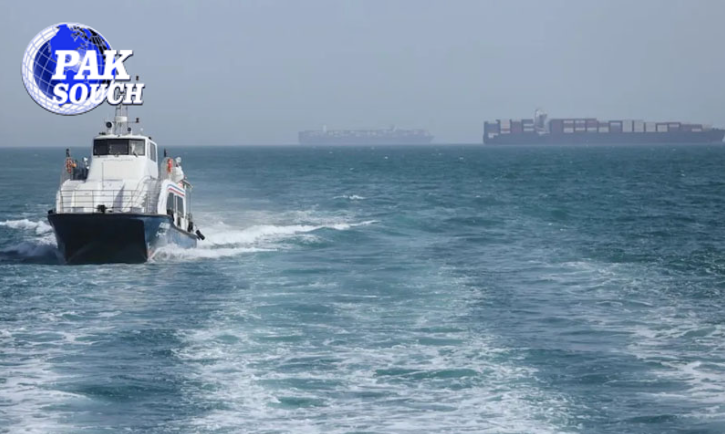
Much of the confrontation centred on the Strait of Hormuz, a strategic maritime chokepoint through which roughly a fifth of the world’s seaborne oil trade passes. The escalation disrupted commercial shipping and fuelled concerns over global energy supplies and broader economic stability.
Analysts say the apparent de-escalation reflects a shared recognition in both Washington and Tehran of the risks posed by a prolonged confrontation. A sustained conflict in and around the waterway, they note, could have severe economic, strategic and security consequences not only for the two countries but also for the wider Gulf region and international energy markets.
Future of the June 17 memorandum
The upcoming technical talks are expected to focus heavily on the implementation details of the June 17 memorandum of understanding. The 14-point framework, brokered with the assistance of international intermediaries, aims to establish a sustainable mechanism for keeping the strait open while addressing Iran’s security concerns and the US’s insistence on the freedom of navigation.
While the temporary truce has injected a sense of cautious optimism among international observers, diplomatic sources warn that the path forward remains fraught with challenges.
Deep-seated mistrust between the two adversaries continues to pose a risk to the interim agreement, and the success of the renewed dialogue will depend heavily on both sides adhering strictly to the agreed-upon de-escalation measures in the coming days.
About The Author