


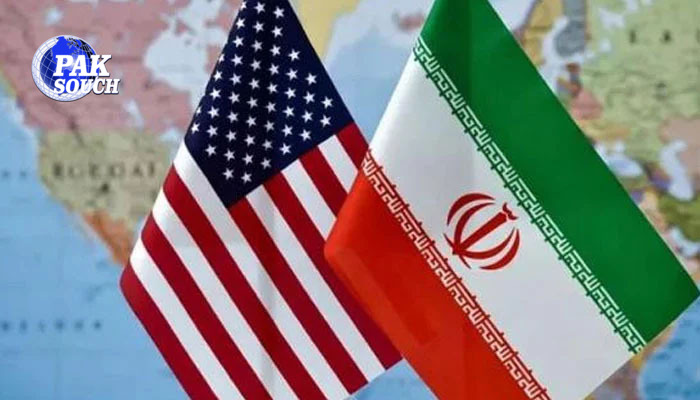
Washington/Tehran: A major economic component of the reported agreement between the United States and Iran includes the establishment of a $300 billion private investment fund, according to claims made by a British news agency. The fund is expected to play a significant role in supporting Iran’s economic recovery and attracting international investment into key sectors of the country’s economy.
The report states that the investment initiative forms part of the broader agreement aimed at improving relations, easing economic restrictions, and encouraging long-term economic cooperation.
$150 Billion in Investments Already Assured
According to the British news agency, commitments for more than $150 billion in investment have already been secured, with additional funding expected to follow through the proposed investment mechanism.
The planned fund is designed to mobilize private-sector capital and direct it toward strategic industries that are considered essential for Iran’s economic growth and modernization.
If implemented, the initiative could become one of the largest foreign-backed investment programs in Iran’s recent history.
Focus on Energy, Logistics, and Manufacturing
The report indicates that the primary objective of the $300 billion fund is to encourage investment in several key sectors of the Iranian economy, including:
- Energy and petroleum infrastructure
- Logistics and transportation networks
- Manufacturing and industrial development
- Supply chain modernization
- Export-oriented industries
Experts believe that investments in these sectors could help Iran upgrade infrastructure, increase industrial output, create employment opportunities, and improve integration with regional and international markets.
The energy sector, in particular, is expected to attract substantial investment due to Iran’s vast oil and natural gas reserves.
Potential Restoration of Oil Exports
One of the most significant outcomes associated with the reported agreement is the possibility that Iran may once again be allowed to fully resume oil sales and exports.
For years, sanctions and restrictions have limited Iran’s ability to access international energy markets. The agreement could pave the way for a gradual return of Iranian oil to global markets, potentially increasing export revenues and strengthening the country’s economy.
Analysts note that any increase in Iranian oil exports could also influence global energy prices and supply dynamics, particularly in regions heavily dependent on imported energy.
Immediate Resumption of Fuel Sales
The report further suggests that Iran could quickly restore oil and fuel sales following implementation of the agreement.
A faster return to energy exports would provide a major source of foreign exchange earnings and could help Tehran address economic challenges resulting from years of sanctions and restricted trade.
Industry observers say that Iran already possesses much of the infrastructure needed to increase exports, enabling it to re-enter international markets relatively quickly if restrictions are eased.
Sanctions Relief Could Extend Beyond Energy
According to the British news agency, the agreement may include sanctions relief in several important sectors beyond oil and gas.
Areas that could benefit from eased restrictions reportedly include:
- Banking and financial services
- Transportation and shipping
- Insurance and reinsurance services
- Commercial trade and logistics
Access to international banking channels is viewed as particularly important because it would facilitate cross-border transactions, foreign investment, and participation in global commerce.
Similarly, relief in transportation and insurance sectors would help reduce costs and barriers associated with international trade.
Conditional on Compliance
The report emphasizes that any sanctions relief or economic benefits provided under the agreement would be conditional upon Iran’s compliance with the agreed terms and obligations.
This means that continued access to investment opportunities, trade benefits, and financial services would depend on Tehran fulfilling the commitments outlined in the accord.
Such compliance-based frameworks are commonly included in international agreements to ensure accountability and build confidence among participating parties.
Potential Economic Impact
Economists suggest that the combination of a large investment fund, expanded trade opportunities, and sanctions relief could significantly boost Iran’s economic prospects.
Potential benefits may include:
- Increased foreign direct investment
- Higher export revenues
- Improved industrial productivity
- Job creation across multiple sectors
- Enhanced infrastructure development
- Greater integration into international markets
However, experts caution that the actual impact will depend on implementation, political stability, investor confidence, and the extent to which all parties adhere to the agreement.
Awaiting Official Confirmation
While the reported details have attracted considerable international attention, further official clarification from the governments involved is expected regarding the structure, funding sources, and implementation mechanisms of the proposed investment fund.
If confirmed, the $300 billion initiative would represent one of the most ambitious economic components of any recent diplomatic agreement involving Iran and could mark a significant shift in the country’s economic and trade outlook.
The international community, investors, and energy markets are expected to closely monitor developments as more information about the agreement becomes available.
About The Author