

Washington: The CIA has reportedly expressed serious concerns over Iran’s intentions regarding the implementation of a proposed US–Iran agreement, according to a report by US-based news outlet Axios.
Intelligence Concerns Shared with Top Leadership
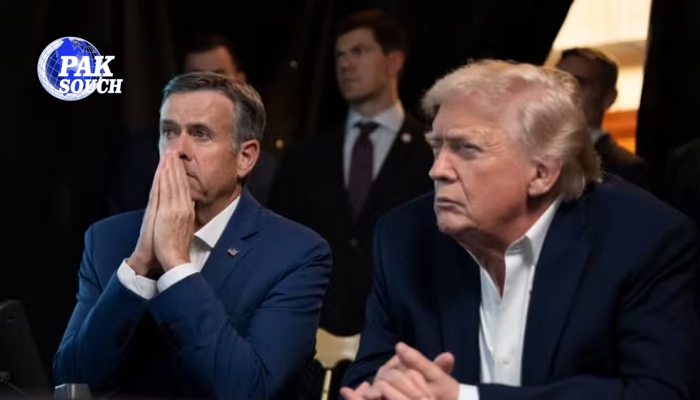
CIA Director John Ratcliffe has briefed US President Donald Trump and senior officials, warning that intelligence assessments raise significant doubts about Iran’s willingness to fully comply with the proposed nuclear-related agreement.
The report claims that US intelligence findings suggest a gap between Iran’s internal discussions and its negotiating positions, creating uncertainty about whether Tehran intends to honor its commitments under the draft memorandum of understanding (MoU).
Divisions Within US Leadership
According to Axios, the proposed deal has also exposed differences within the US administration:
- CIA Director John Ratcliffe and Secretary of State Marco Rubio have reportedly expressed reservations.
- Defense Secretary Pete Hegseth has also raised concerns.
- In contrast, Vice President JD Vance, special envoy Steve Witkoff, and Jared Kushner are said to support the agreement.
Sources indicate that multiple high-level meetings were held at the White House prior to the announcement, where intelligence assessments were reviewed in detail.
Concerns Over Iran’s Intentions
Officials cited in the report believe that Iran’s internal communications and negotiating behavior do not fully align with its public commitments.
A senior US official said the proposed framework meets Washington’s core conditions, including preventing Iran from acquiring nuclear weapons and limiting its highly enriched uranium stockpile.
However, critics within the administration reportedly argue that Iran’s compliance remains uncertain.
Trump’s Final Decision
A White House official stated that President Trump is listening to multiple viewpoints but ultimately makes the final decision himself, emphasizing that he would only accept a “good final deal.”
US officials reportedly believe Iran’s concessions will be tested over the next two to three weeks, after which Washington will determine whether Tehran is genuinely committed. If not, negotiations could be halted.
Proposed Terms of the Agreement
According to the report, the draft agreement includes several key provisions:
- Gradual lifting of US naval restrictions
- Restoration of safe commercial shipping in the Strait of Hormuz
- Iran ensuring maritime security for up to 60 days without charging fees
- Step-by-step removal of US naval blockades within 30 days
- Participation of Gulf states in regional maritime arrangements
- Discussions on long-term management of the Strait of Hormuz involving Iran and Oman
The agreement also reportedly includes provisions for Iran’s reconstruction and economic development, potentially involving a $300 billion fund, conditional on Iran dismantling its nuclear program and implementing major reforms.
Official Responses
The CIA and US State Department declined to comment on the report, while the Pentagon also did not respond.
Conclusion
While the proposed US–Iran agreement outlines extensive diplomatic and economic arrangements, significant skepticism remains within parts of the US intelligence and defense establishment. The coming weeks are expected to be critical in determining whether the deal moves forward or stalls amid ongoing mistrust.
About The Author