

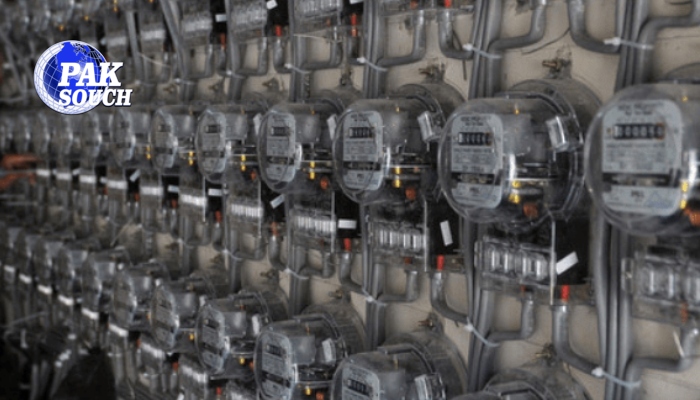
ISLAMABAD: Strong objections were raised in the Senate Standing Committee on Finance against the fixed taxes and charges imposed through electricity bills, with lawmakers describing them as an unfair burden on consumers.
The issue came under discussion during a meeting of the Senate Standing Committee on Finance, chaired by Senator Saleem Mandviwalla. Committee members expressed concern that fixed charges were increasing the financial pressure on households and small businesses, regardless of their actual electricity consumption.
Senator Kamil Ali Agha strongly criticized the practice of imposing fixed charges on electricity consumers. He argued that these charges had become a serious problem for ordinary citizens, especially at a time when inflation and the cost of living continue to rise.
Speaking during the meeting, Senator Agha said that electricity users were often paying more in fixed charges than for the electricity they actually consumed. To illustrate his point, he shared an example from his own experience, stating that the electricity consumed at his lodges amounted to approximately Rs. 6,200, while the fixed charges added to the bill were around Rs. 6,800.
According to him, this imbalance highlights how consumers are being forced to bear costs that do not correspond to their actual usage. He maintained that the system was unfair and needed immediate review.
Senator Agha also referred to recent discussions about poverty and income levels in the country. He remarked that it was surprising to learn that a person earning Rs. 8,500 was apparently no longer considered poor under certain assessments. His comments reflected broader concerns about how economic realities are being interpreted while ordinary people continue to struggle with rising utility costs.
The senator proposed that fixed charges on electricity bills should be abolished altogether. He argued that consumers who use a small amount of electricity should only pay for what they consume rather than being subjected to additional fixed costs.
He pointed out that in some cases, consumers using around 100 electricity units were effectively being charged amounts equivalent to the cost of consuming 400 units. Such a system, he said, placed an unreasonable burden on low-income households and discouraged energy conservation.
Kamil Ali Agha urged the committee to formally declare fixed charges unjust and recommend their removal. He emphasized that electricity billing should be transparent and directly linked to actual consumption.
Responding to the criticism, Committee Chairman Senator Saleem Mandviwalla acknowledged the concerns but also noted the practical implications of the current billing structure. In a light-hearted remark, he said that if consumers found the charges unbearable, it might seem as though they should disconnect their electricity altogether.
However, Mandviwalla agreed that the issue deserved further examination. He proposed that officials from the Power Division be invited to appear before the committee after the federal budget process so they could explain the rationale behind the fixed charges and address lawmakers’ concerns.
The discussion comes at a time when electricity prices remain a major political and economic issue in Pakistan. Rising tariffs, fuel adjustment costs, taxes, and fixed charges have generated widespread criticism from consumers, businesses, and industry representatives.
Many consumers argue that fixed charges undermine efforts to reduce electricity usage because they remain payable even when consumption is kept to a minimum. Critics say this approach disproportionately affects lower-income households, retirees, and small businesses that consume relatively little electricity.
On the other hand, energy sector officials have often defended fixed charges as necessary for covering infrastructure, transmission, and capacity costs that remain constant regardless of consumption levels. They argue that such charges help ensure the financial sustainability of the power sector.
The Senate committee’s discussion signals growing parliamentary scrutiny of electricity billing practices. As the government continues to face pressure over inflation and utility costs, lawmakers are increasingly calling for reforms that provide relief to consumers while maintaining the stability of the energy sector.
The committee is expected to revisit the matter in future meetings after receiving a detailed briefing from the Power Division. Any recommendation emerging from those discussions could influence future decisions regarding electricity tariffs and billing policies.
For millions of electricity consumers across Pakistan, the debate over fixed charges remains highly significant, as any changes could directly affect household budgets and business operating costs in the coming months.
About The Author