

ISLAMABAD: The federal government has allocated Rs10 billion for Karachi’s long-awaited K-IV Bulk Water Supply Project in the Budget for the upcoming fiscal year, reaffirming its commitment to addressing the city’s growing water shortage and improving urban infrastructure.
According to the budget documents, the allocation is part of a broader development strategy focused on sustainable urban growth, housing, water resources, transportation, and energy projects across the country.
Major Investment in Urban Development and Housing
The federal budget earmarks Rs54.6 billion for sustainable urban development and the housing sector during the next financial year.
Under this initiative, approximately 150,000 affordable housing units will be constructed through federal and provincial cooperation. The government aims to improve access to affordable housing for low- and middle-income families while encouraging economic activity in the construction sector.
In addition, digital master plans will be prepared for 10 major cities across Pakistan. Officials say these plans will help improve urban management, infrastructure development, transportation planning, and public service delivery through modern technology and data-driven decision-making.
Rs10 Billion for Karachi’s K-IV Water Project
One of the most significant allocations for Karachi is the Rs10 billion funding for the K-IV Bulk Water Supply Project.
The project is considered crucial for Pakistan’s largest city, which has faced chronic water shortages for decades due to rapid population growth, urban expansion, and increasing demand.
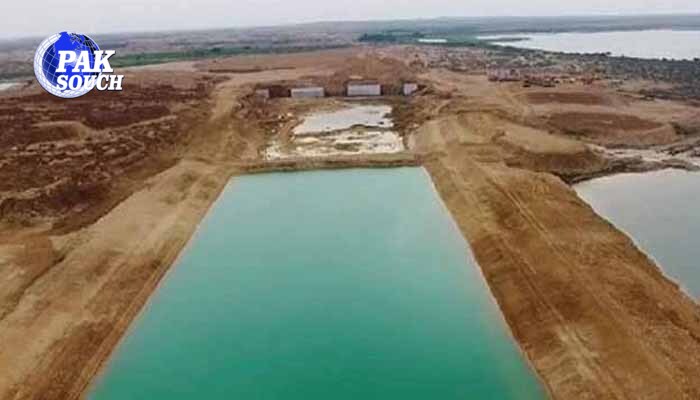
The K-IV project is designed to transport additional water from Keenjhar Lake to Karachi, significantly increasing the city’s daily water supply capacity. Once completed, the project is expected to benefit millions of residents by improving access to clean and reliable water.
Experts believe the project will play an important role in addressing Karachi’s long-standing water crisis and supporting future urban growth.
Funding for Major Water and Hydropower Projects
The government has also allocated substantial funds for key water and hydropower projects aimed at strengthening national water security and increasing electricity generation.
According to the budget documents:
- Rs14 billion has been allocated for the Diamer-Bhasha Dam project.
- Rs22 billion has been earmarked for the Mohmand Dam project.
- Rs15 billion has been allocated for the Dasu Hydropower Project.
These projects are expected to enhance water storage capacity, improve irrigation supplies, reduce flood risks, and contribute significantly to Pakistan’s long-term energy needs.
Significant Allocation for the Power Sector
The federal government has set aside Rs116.2 billion for the power sector in the upcoming fiscal year.
The investment aims to strengthen electricity infrastructure, support ongoing energy projects, improve transmission systems, and enhance the reliability of power supply throughout the country.
Energy sector reforms remain a key priority for policymakers seeking to address challenges such as power shortages, transmission losses, and financial sustainability.
Support for Industrial Development and Exports
To boost industrial growth and strengthen Pakistan’s export competitiveness, the budget allocates Rs6.6 billion for initiatives supporting industrial development.
The government hopes these measures will help modernize industries, encourage investment, create employment opportunities, and increase exports in international markets.
Economic planners believe improving industrial productivity is essential for achieving sustainable economic growth and reducing the country’s trade deficit.
Investment in National Highway Infrastructure
The budget also includes major allocations for road infrastructure projects aimed at improving connectivity and facilitating trade and travel.
A significant allocation of Rs100 billion has been made for upgrading the N-25 Highway, which connects Karachi with Chaman. The project involves converting the highway into a dual carriageway under the Pakistan Expressway initiative.
The highway serves as an important trade and transportation corridor linking Sindh and Balochistan. Upgrading the route is expected to improve road safety, reduce travel times, and facilitate economic activity.
In addition, the government plans to invest Rs30 billion in the Sukkur-Hyderabad Motorway project, another key infrastructure initiative intended to improve transportation links within Sindh and connect major economic centers.
Work to Begin on ML-1 Karachi-Rohri Section
The budget documents also reveal that work on the Karachi-Rohri section of the Main Line-1 (ML-1) railway project is scheduled to begin during the next fiscal year.
For this purpose, the government has allocated Rs25 billion.
The ML-1 project is regarded as one of Pakistan’s most important railway modernization initiatives. It aims to upgrade tracks, improve railway infrastructure, increase train speeds, enhance passenger safety, and boost freight transportation capacity.
Officials expect that modernization of the Karachi-Rohri section will contribute to more efficient rail operations and support economic development along the route.
Focus on Infrastructure-Led Growth
The budget allocations demonstrate the government’s focus on infrastructure-led economic growth through investments in water supply, housing, transportation, energy, and industrial development.
Projects such as the K-IV Water Supply Scheme, Diamer-Bhasha Dam, Sukkur-Hyderabad Motorway, and ML-1 railway upgrade are expected to play a vital role in improving public services, strengthening economic activity, and supporting long-term development objectives.
As the new fiscal year begins, the successful implementation of these projects will be closely watched by policymakers, businesses, and citizens who hope the investments will translate into tangible improvements in living standards and economic opportunities across Pakistan.
About The Author