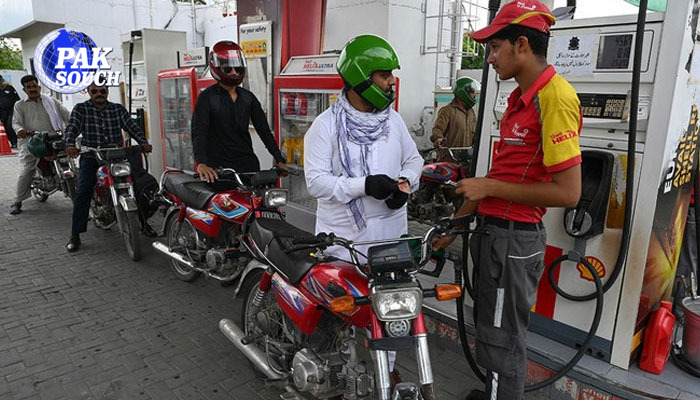
The Sindh government has extended its fuel subsidy program for motorcyclists, providing continued financial relief to thousands of commuters across the province.
According to the spokesperson of the Chief Minister Sindh, the provincial cabinet has approved an extension of the “Peoples Motorcycle Fuel Subsidy Program” until May 31, 2026. The decision aims to support low-income individuals who rely on motorcycles as their primary mode of transport amid rising fuel costs.
During the cabinet meeting, Chief Minister Sindh directed authorities to release Rs 2 billion for the subsidy payments for the month of May. Officials were also briefed that more than 548,000 beneficiaries are currently receiving support under the scheme, while over Rs 1.096 billion has already been disbursed to eligible recipients.
The program is designed to ease the financial burden of fuel expenses on motorcycle users, who form a significant portion of daily commuters in urban and rural areas of Sindh. With fuel prices remaining a key concern for households, the subsidy is seen as a targeted relief measure for working-class citizens.
In a separate decision, the Sindh cabinet also announced a significant reduction in sales tax for motorcycle cab services operating in the province. The tax rate has been reduced from 5 percent to 2 percent, a move expected to support the growing ride-hailing and online transport sector.
Officials estimate that the tax reduction will have an annual financial impact of around Rs 120 million. However, the provincial government believes the measure will benefit online drivers by increasing their earnings and encouraging expansion of digital transport services.
Chief Minister Sindh stated that the initiative is part of broader efforts to support the digital economy and provide relief to individuals engaged in app-based transport services. He emphasized that such steps are aimed at improving livelihoods while also promoting modern, technology-driven employment opportunities.
The decisions come at a time when inflation and transportation costs continue to affect daily life in Pakistan, prompting provincial governments to introduce targeted subsidy programs for different segments of the population.