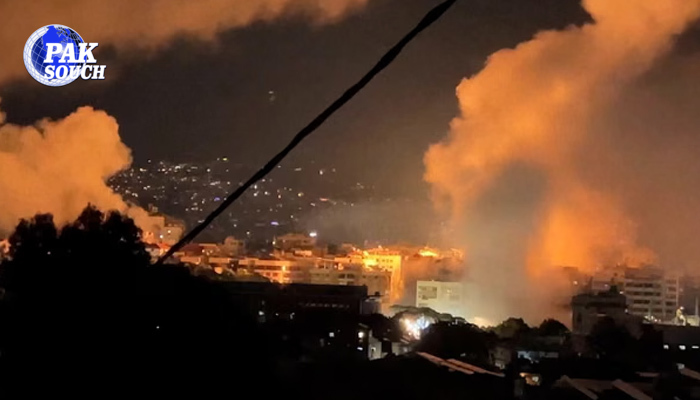
Despite a ceasefire that came into effect on April 17, Israeli forces have continued carrying out airstrikes across multiple مناطق in southern Lebanon, resulting in the destruction of several homes and the deaths of at least three افراد, according to Lebanese media reports. The ongoing strikes have raised serious concerns about the durability of the ceasefire and the potential for renewed escalation in the region.
The Lebanese National News Agency reported that Israeli warplanes targeted several areas, including Jabal al-Rihan, Bsalaya, and the al-Sarira area in Jezzine. These المناطق, known for their proximity to the اسرائیل-لبنان border, have frequently been sites of military activity amid tensions between Israel and Hezbollah.
In addition to these strikes, another attack was reported near a mosque in the town of al-Samiyah, intensifying fears among civilians already living under the shadow of conflict. The targeting of areas close to religious sites has further heightened anxiety, as such incidents risk broader humanitarian and political repercussions.
Meanwhile, Israeli air raids and artillery shelling were also reported in Bint Jbeil’s برج قلاویہ area, a region that has historically been a flashpoint during previous conflicts between Israel and Hezbollah. Residents in these علاقوں described scenes of destruction, with homes reduced to rubble and families forced to flee for safety.
According to Lebanese sources, Israeli forces also set fire to multiple homes in the border village of Khiam. This development has added to the already significant damage inflicted on civilian infrastructure in southern Lebanon over recent months. Eyewitness accounts suggest that the fires spread quickly, destroying properties and leaving many families displaced.
In the شہر of Shoukine, located in southern Lebanon, an Israeli airstrike reportedly killed three individuals. Casualty reports have also emerged from the Nabatieh district, although exact figures remain unclear. Medical teams and emergency responders are said to be working under difficult conditions to assist the injured and recover victims from the rubble.
On the other side, Hezbollah claimed that it targeted Israeli soldiers in the Qantara area. While details of the attack remain limited, the claim signals that retaliatory actions continue despite the declared ceasefire, further complicating efforts to stabilize the situation.
The استمرار of hostilities underscores the fragile nature of the ceasefire agreement, which was initially intended to halt escalating violence between Israel and Hezbollah. Analysts warn that continued violations could undermine diplomatic efforts and increase the likelihood of a broader conflict.
It is worth noting that over the past two months, the death toll from Israeli attacks in Lebanon has reportedly reached 2,659, highlighting the severe human cost of the ongoing conflict. Thousands more have been injured, and significant damage has been inflicted on homes, infrastructure, and public facilities across southern Lebanon.
The international community has repeatedly called for restraint and adherence to ceasefire agreements, urging both sides to avoid actions that could further inflame tensions. However, with strikes and counter-strikes continuing, the path toward lasting peace remains uncertain.
As the situation evolves, civilians in southern Lebanon remain caught in the crossfire, facing displacement, loss, and ongoing insecurity. The coming days will be critical in determining whether diplomatic efforts can restore calm or whether the region will slip back into intensified conflict.