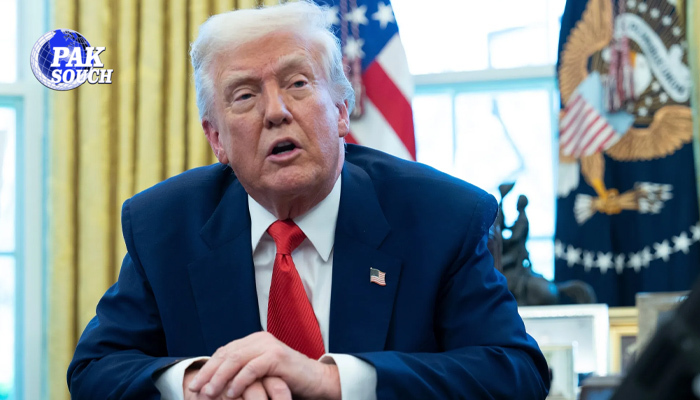
Former U.S. President Donald Trump has indicated that the possibility of renewed military action against Iran remains on the table, while also expressing skepticism بشأن نئی ایرانی تجاویز aimed at de-escalating tensions.
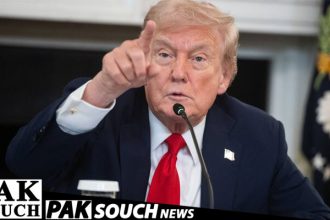
In a statement, Trump said he has been briefed about the latest proposals from Iran regarding a potential deal. However, he noted that he is yet to review the exact details and wording of the offer. “I will look at it soon,” he said, adding that he finds it difficult to believe the proposals would be acceptable in their current form.
Trump’s remarks suggest a continued hardline stance toward Tehran, particularly in light of recent tensions in the region. He claimed that Iran has not yet paid a “significant price” for its actions, implying that further pressure—potentially including military measures—could be considered.
Addressing broader diplomatic efforts, Trump stated that the United States retains “unlimited capacity” for negotiations with Iran, though his comments appeared to cast doubt on the effectiveness of ongoing talks. His dual messaging—keeping the door open for dialogue while simultaneously warning of possible attacks—reflects a strategy often used to increase leverage in negotiations.
He also made a controversial comment regarding the Strait of Hormuz, describing any blockade or related actions as “extremely friendly,” a characterization that contrasts sharply with how such اقدامات are typically viewed in international relations. The Strait of Hormuz is a critical global النفط shipping route, and any disruption there can have significant economic and geopolitical consequences.
Trump shared these views on his social media platform, Truth Social, where he frequently comments on foreign policy issues. His latest statements come amid ongoing regional uncertainty and reports of indirect communication channels between the United States and Iran, sometimes involving intermediary countries.
Analysts believe that such rhetoric could further complicate already fragile diplomatic efforts. While some see it as a negotiating tactic, others warn that strong statements about military action risk escalating tensions and reducing the chances of a peaceful resolution.