ISLAMABAD: Pakistan has reaffirmed its commitment to playing a mediatory role between the United States and Iran, maintaining what officials describe as “steady and quiet” diplomatic efforts aimed at easing tensions in the region. Despite recent setbacks in reviving stalled negotiations, Islamabad appears determined to persist with its behind-the-scenes engagement to help bring both sides closer to dialogue.
A senior government official, speaking on condition of anonymity due to the sensitivity of ongoing diplomatic exchanges, confirmed that Pakistan would “continue its efforts for peace in the region.” The statement comes at a time when attempts to restart talks between Washington and Tehran—following a two-month-old escalation—have faced significant hurdles, even as indirect communication channels remain active.
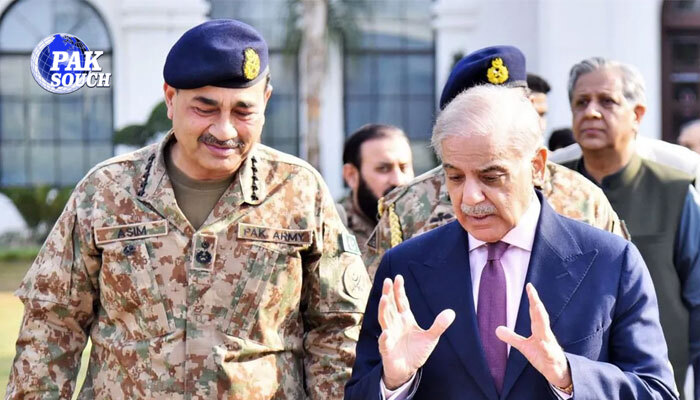
Pakistan’s leadership has been actively involved in shuttle diplomacy over the past several weeks. Prime Minister Shehbaz Sharif, Chief of Army Staff Field Marshal Asim Munir, and Deputy Prime Minister and Foreign Minister Ishaq Dar have all played roles in facilitating communication between the two adversaries. Their efforts have largely focused on relaying messages, reducing misunderstandings, and exploring potential pathways toward de-escalation.
According to diplomatic sources, Pakistan’s mediation contributed to a ceasefire agreement reached earlier this month, which was later extended following Islamabad’s appeals. The development was initially seen as a positive step toward broader negotiations. However, hopes for a breakthrough diminished when Iran reportedly demanded that the United States address issues related to the Strait of Hormuz, including calls for easing restrictions or blockades—an issue that remains highly contentious.
Despite these challenges, Pakistani officials insist that their approach is not driven by public visibility but by tangible outcomes. One source familiar with the mediation process described Pakistan’s role as “consistent and discreet,” emphasizing that even in the absence of direct talks between Washington and Tehran, Islamabad continues to work actively to narrow the gap.
Over the weekend, Iran’s foreign minister visited Islamabad, bringing with him a set of fresh proposals aimed at reviving the dialogue. These proposals were subsequently conveyed to the American side through Pakistani intermediaries. While details of the proposals have not been made public, officials suggest they are part of ongoing efforts to identify common ground.
Another senior official reiterated that Pakistan remains committed to working with both parties until a sustainable and long-term peace arrangement is achieved. “We will continue engaging both sides until meaningful progress is made,” the official said, underscoring Islamabad’s long-term vision for regional stability.
Pakistan’s involvement in mediating between the US and Iran reflects its broader foreign policy objective of promoting peace and stability in the region, particularly in the Gulf, where tensions can have far-reaching economic and security implications. Given Pakistan’s strategic relationships with both countries, it is uniquely positioned to serve as a bridge, although the complexity of the conflict presents significant diplomatic challenges.
Analysts note that while Pakistan’s role may not always be visible, its efforts could prove critical in preventing further escalation. The continuation of indirect communication channels is often seen as a necessary step in situations where direct negotiations are politically difficult or temporarily unfeasible.
As global attention remains focused on whether these backchannel efforts can yield concrete results, Pakistani officials are expected to maintain high-level contacts in the coming days. These engagements may also pave the way for broader multilateral initiatives, potentially involving other regional or international stakeholders.
In a region marked by volatility and competing interests, Pakistan’s quiet diplomacy underscores the importance of persistence and strategic engagement. Whether these efforts ultimately lead to a breakthrough remains uncertain, but Islamabad’s continued involvement signals its intent to remain a key player in efforts to de-escalate one of the most sensitive geopolitical tensions in the world.