


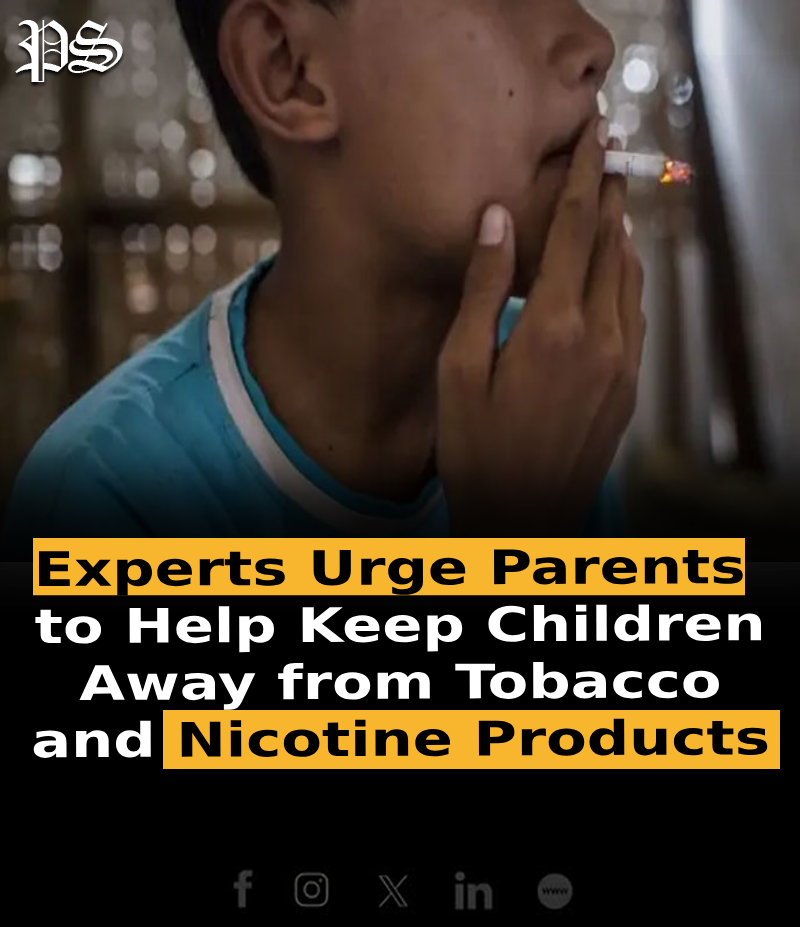
KARACHI: The Entrepreneurship and Youth Development Society (EYDS) has urged parents and guardians to play an active and informed role in preventing young people from accessing tobacco and nicotine products.
The call was made during a media session titled “Youth at Home”, organized under EYDS’s Youth Access Prevention Initiative. The session focused on the importance of the home environment and family upbringing in protecting children and young people from harmful products.
Addressing the gathering, EYDS Vice President Shaista Ayesha said protecting young people from harmful products was a shared responsibility.
She emphasized that parents could play a fundamental role by keeping an eye on the environment surrounding their children, including their friendships and the influence of their neighborhood.
However, she stressed that parents should not rely solely on monitoring. Maintaining an open and friendly relationship with children and encouraging them to communicate about their experiences can also help parents identify potential risks at an early stage.
According to the speakers, the family environment can have a significant influence on young people’s attitudes and behavior. Parents and guardians were therefore encouraged to remain engaged with their children and create an environment in which young people feel comfortable discussing peer pressure and other challenges.
The session also highlighted the importance of responsible communication about tobacco and nicotine use.
YAP Programme Manager Ayesha Zubairi said accurate, balanced and non-sensational information about tobacco and nicotine use was essential for increasing public awareness.
She said the media should focus on awareness-based coverage and provide information without creating unnecessary fear or resorting to excessive blame.
Responsible reporting, she added, could help families and communities better understand the risks associated with tobacco and nicotine products and encourage informed decision-making.
Participants at the event also agreed that educational institutions and community leaders should be included in prevention efforts.
They said effective prevention requires cooperation at multiple levels, with families, schools and communities working together to reduce young people’s access to tobacco and nicotine products.
The speakers emphasized that protecting young people cannot be the responsibility of parents alone. Schools, community organizations, media outlets and local leaders can also contribute by creating awareness and supporting families.
The participants called for stronger coordination between these groups so that prevention efforts can extend beyond the home and reach educational institutions and the wider community.
The discussion also emphasized the importance of early awareness. By maintaining open communication with children and providing accurate information, parents can help young people recognize the potential risks associated with tobacco and nicotine products.
The experts’ message was that prevention should begin at home, with parents taking an informed and constructive approach rather than relying only on warnings or punishment.
They also stressed that young people should have access to reliable information so they can better understand the health risks associated with nicotine and tobacco use.
The session concluded with a broader call for families, schools and communities to work together to protect young people from harmful products and create healthier environments for the next generation.
About The Author