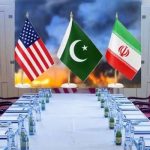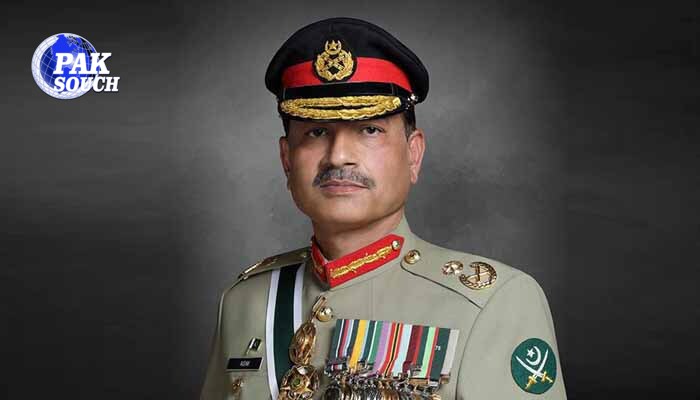
Pakistan’s Chief of Defence Forces, Field Marshal Asim Munir, is reportedly actively engaged in efforts to prevent the collapse of ongoing peace negotiations between the United States and Iran. According to a report by the Financial Times, Pakistan is emerging as a significant diplomatic intermediary amid rising tensions between the two countries.
The report highlights that Islamabad is working behind the scenes to facilitate communication and maintain dialogue channels between واشنگٹن and تہران, at a time when mistrust, sanctions, and military pressures have made negotiations increasingly fragile. In this context, Field Marshal Asim Munir is being viewed as an unconventional yet central figure in the mediation process.
Traditionally, diplomatic engagement is led by civilian leadership and foreign ministries. However, the Financial Times suggests that Pakistan’s military leadership is playing a more direct role, reflecting the country’s integrated approach to foreign policy in matters of regional security. Munir’s involvement underscores the seriousness of the situation and Pakistan’s intent to use all available avenues to prevent escalation.
The report notes that the peace talks are facing significant hurdles due to deep-rooted distrust between the United States and Iran. Economic sanctions, geopolitical rivalries, and concerns over military activities have all contributed to a complex and tense environment. Despite these challenges, Pakistan is attempting to keep communication lines open and encourage both sides to remain engaged in dialogue.
Analysts believe Pakistan’s unique position—maintaining working relations with both Washington and Tehran—gives it a potential advantage as a mediator. Its geographic proximity to Iran and strategic partnership with the United States allow Islamabad to understand the concerns of both sides, making it a suitable facilitator for sensitive discussions.
Efforts to sustain the talks are seen as crucial not only for bilateral relations between the U.S. and Iran but also for broader regional stability. Any breakdown in negotiations could heighten tensions in the Middle East, with possible spillover effects for neighboring countries, including Pakistan.
The involvement of Pakistan’s military leadership also reflects the increasing complexity of modern diplomacy, where security considerations and strategic interests often intersect. By taking an active role, Field Marshal Asim Munir appears to be contributing to a coordinated national effort aimed at de-escalation.
While there has been no official confirmation from Pakistani authorities regarding the full extent of these efforts, the report adds to a growing narrative that Islamabad is deeply involved in diplomatic initiatives to prevent conflict and promote peace.