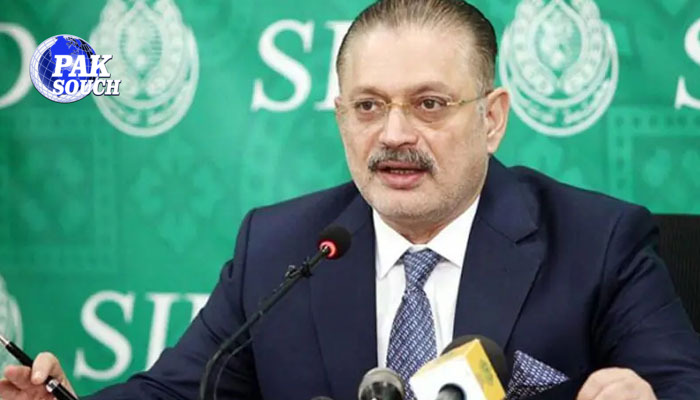
Sindh Information Minister Sharjeel Inam Memon has announced that efforts are underway to restart work on Karachi’s Bus Rapid Transit (BRT) Red Line project within the next 48 hours. The statement comes amid ongoing delays and disputes that have stalled progress on one of the city’s most important transport initiatives.
Speaking on Geo News program Geo Pakistan, Memon acknowledged that the Red Line project has caused inconvenience to the public, calling it the only major project currently creating significant disruption for citizens. He assured that the provincial government is committed to completing the corridor as quickly as possible.
“We are trying to resume work on the Red Line project within 48 hours,” Memon said, adding that the decision has been taken in consultation with the Asian Development Bank (ADB), a key stakeholder in the project. He emphasized that the government is determined to move forward and minimize further delays.
Memon also shed light on the reasons behind the project’s slowdown, pointing to performance issues with contractors. According to him, both Lot 1 and Lot 2 contractors had been repeatedly warned to adhere to timelines and maintain quality standards. However, particular concerns were raised about the performance of the Lot 2 contractor.
“We had complaints that the Lot 2 contractor was not working properly. The progress was unsatisfactory, which is why the government decided to terminate the contract,” he explained. The termination has since led to legal disputes, further complicating the project’s timeline.
The BRT Red Line is a flagship initiative aimed at improving Karachi’s public transport system by providing a modern, efficient, and environmentally friendly commuting option. However, the project has faced multiple setbacks, including delays in execution, contractual disagreements, and administrative challenges.
Memon reiterated that the Sindh government wants to ensure that the project is completed without compromising on quality. He noted that corrective measures are being taken to address past shortcomings and to ensure that work proceeds smoothly once it resumes.
Urban development experts believe that restarting work quickly is crucial to restoring public confidence and preventing further cost overruns. Prolonged delays not only increase financial burdens but also continue to inconvenience commuters who rely on improved transport infrastructure.
The involvement of the Asian Development Bank suggests that efforts are being made to align the project with international standards and ensure proper oversight. This could help in resolving existing issues and putting the project back on track.