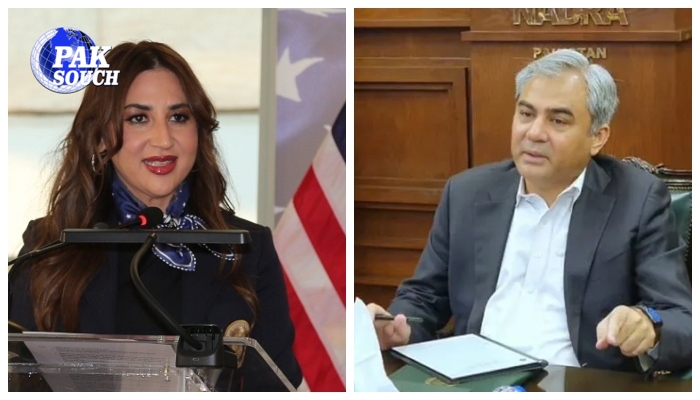
Federal Interior Minister Mohsin Naqvi has stated that Pakistan’s top leadership is actively engaged in diplomatic efforts to help resolve ongoing tensions between the United States and Iran. He emphasized that Prime Minister Shehbaz Sharif and Chief of Army Staff Field Marshal Asim Munir are working at all levels to promote dialogue and de-escalation in the region.
Naqvi made these remarks during a meeting with U.S. Chargé d’Affaires Natalie Baker in Islamabad, where both sides discussed the evolving regional situation in detail. The meeting also focused on Pakistan’s diplomatic initiatives aimed at facilitating a second round of negotiations, which are seen as crucial for sustaining peace and preventing further escalation.
According to official sources, Pakistan is playing a proactive role in encouraging both Washington and Tehran to engage constructively. The goal is not only to maintain the current ceasefire environment but also to create conditions for a more durable and long-term resolution of differences.
During the meeting, Mohsin Naqvi appreciated the efforts of U.S. President Donald Trump in extending the ceasefire, describing the move as a positive step toward stability. He noted that such initiatives help create space for diplomacy and reduce the risk of conflict in an already volatile region.
The discussion between Naqvi and Natalie Baker also highlighted the importance of continued cooperation between Pakistan and the United States on regional security matters. Both sides acknowledged that sustained engagement and mutual understanding are essential for addressing complex geopolitical challenges.
Pakistan’s involvement in facilitating dialogue reflects its broader foreign policy approach, which prioritizes peace, stability, and regional cooperation. Given its strategic location and ties with both Iran and the United States, Islamabad is in a unique position to act as a mediator and bridge gaps between the two sides.
Analysts believe that Pakistan’s efforts could contribute positively if both parties show willingness to engage in meaningful dialogue. However, they also point out that resolving deep-rooted tensions between the U.S. and Iran will require sustained international cooperation and careful diplomacy.
The mention of a potential second round of talks indicates that backchannel efforts may already be underway. If successful, such negotiations could play a key role in easing tensions and building trust between the two countries.