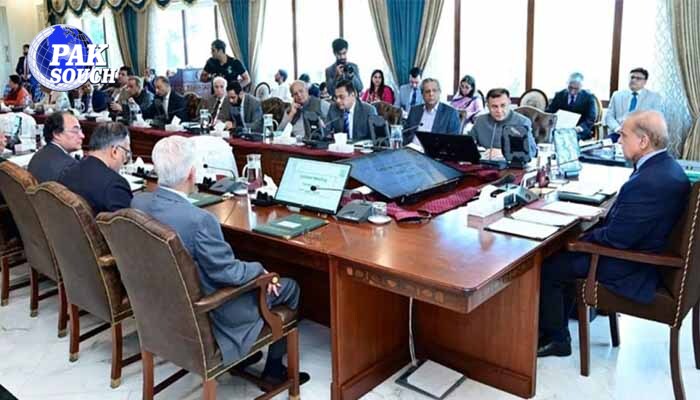
ISLAMABAD: The federal government has decided to continue its austerity measures during the current fiscal year as part of its broader strategy to control public spending and maintain fiscal discipline amid ongoing economic challenges.
According to official sources, the Federal Cabinet has approved the continuation of cost-cutting measures for the current financial year. Following the cabinet’s approval, the Cabinet Division has forwarded the decision to the Ministry of Finance for implementation.
The move is aimed at reducing non-essential government expenditure while ensuring that available financial resources are utilized more efficiently. The continuation of these measures reflects the government’s commitment to maintaining budgetary discipline and supporting broader economic stabilization efforts.
Under the approved policy, all government posts that have remained vacant for the past three years will be abolished. In addition, the government will continue its ban on the creation of new posts during the current fiscal year, except where specifically approved under exceptional circumstances.
The federal government has also decided to maintain the ban on the purchase of all types of government vehicles throughout the fiscal year. The restriction is intended to reduce unnecessary administrative expenses and limit spending on non-developmental items.
Similarly, the ban on the procurement of machinery and equipment will remain in effect, with purchases to be allowed only where considered absolutely essential for government operations.
As part of the austerity policy, restrictions on government-funded medical treatment abroad will also continue. Officials have indicated that such expenses will remain prohibited under the cost-saving framework unless covered by separate policy provisions.
The government has further decided to continue its ban on non-essential foreign visits at the public expense. Ministries and departments have been instructed to avoid overseas travel unless it is considered necessary for official responsibilities and receives the required approvals.
These measures are part of a wider effort to reduce recurring expenditures, improve fiscal management, and ensure prudent use of public funds. The government has implemented similar austerity policies over the past several years in response to economic pressures, including budget deficits, rising debt obligations, and the need to strengthen financial stability.
According to sources, the Ministry of Finance is expected to issue an official notification shortly outlining the continuation of the austerity measures and providing implementation guidelines for all federal ministries, divisions, and government departments.
The notification is expected to reaffirm existing restrictions and direct government institutions to strictly comply with the approved expenditure controls during the current fiscal year.
Officials believe that limiting non-essential spending will help the government allocate more resources toward priority sectors such as development projects, public services, and social welfare initiatives while supporting efforts to improve overall fiscal performance.
The continuation of austerity measures comes as Pakistan pursues broader economic reforms aimed at strengthening public finances, improving revenue collection, and ensuring sustainable economic growth.
Government departments are expected to review their budgets carefully and prioritize essential expenditures in line with the cabinet’s decision. Authorities have emphasized that strict compliance with the austerity policy will be monitored to ensure effective implementation across all federal institutions.
About The Author