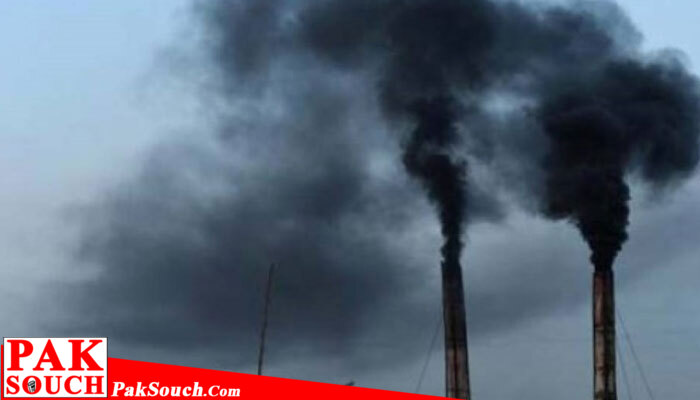
Karachi — The Sindh government has announced a complete ban on tire burning and the operation of pyrolysis plants across the province in an effort to combat worsening air, soil, and water pollution. The decision, issued under the directives of the provincial Environment Department, marks a significant step toward addressing environmental and public health hazards linked to industrial emissions.
According to Sindh Secretary for Environment, Climate Change, and Coastal Development, Zubair Channa, tire burning and the operation of substandard pyrolysis plants have been contributing heavily to environmental degradation. He explained that emissions from these plants release toxic chemicals into the atmosphere, leading to serious consequences for human health and the ecosystem. “Tire burning has been increasing respiratory, cardiovascular, and neurological diseases,” Channa stated, emphasizing that Karachi’s air quality has reached alarming levels primarily due to such practices.
The pyrolysis process — a chemical method in which materials like rubber and plastic are heated in the absence of oxygen to produce bio-oil, gas, and other byproducts — has come under scrutiny in recent years. Environmental experts warn that unregulated plants often use outdated technology that fails to capture harmful emissions, releasing dangerous pollutants such as carbon monoxide, sulfur compounds, and volatile organic chemicals.
In response, the Environment Department has drafted new regulations under the Sindh Environmental Protection Agency (SEPA) framework. These rules aim to control the manufacture, sale, and use of substandard fuels, tire-derived oil, and other unsafe energy products. The draft includes a complete prohibition on unlicensed plants and mandates strict compliance with environmental safety standards.
Zubair Channa noted that all plants will now be required to obtain proper environmental licenses, install air filtration and emission control systems, and adhere to specified emission limits. “No facility will be allowed to operate without fulfilling the mandatory requirements of pollution control and emission monitoring,” he said. Violations will result in the confiscation of plants, heavy fines, and possible legal action under provincial environmental laws.
The move comes amid growing concern from environmentalists and residents over Karachi’s deteriorating air quality. Over the past decade, the unchecked expansion of small-scale pyrolysis and recycling plants — many operating illegally in industrial zones — has led to toxic smoke affecting nearby communities. Reports by SEPA and independent studies have shown that particulate matter and hazardous gases from tire burning contribute significantly to smog formation, acid rain, and contamination of water sources.
Experts have welcomed the government’s decision, calling it a necessary intervention to safeguard public health. However, they have also urged the authorities to ensure proper enforcement mechanisms. “A ban alone won’t be effective unless the government continuously monitors industrial sites and shuts down illegal operators,” said an environmental policy researcher at Karachi University.
The Sindh government has also announced plans to launch a province-wide awareness campaign for industries, encouraging the adoption of cleaner and safer waste management technologies. Additionally, SEPA will collaborate with municipal and industrial authorities to identify and dismantle unauthorized pyrolysis setups in Karachi, Hyderabad, and Sukkur.
This latest ban reflects the province’s growing commitment to climate resilience and environmental protection, aligning with national and global efforts to reduce industrial pollution and transition toward sustainable energy practices.