

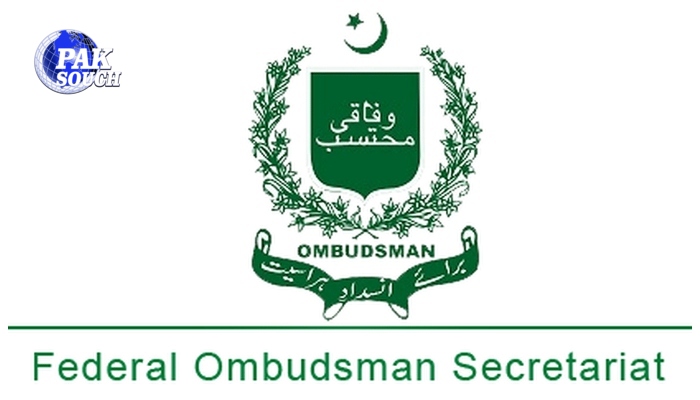
Islamabad: The Federal Ombudsperson for Protection Against Harassment (FOSPAH) has imposed a fine of Rs1.2 million on a private organization for terminating the employment of a female worker while she was on approved maternity leave, declaring the action discriminatory and harmful to women in the workplace.
The ruling was issued by Federal Ombudsperson for Protection Against Harassment, Fauzia Viqar, in a decision that not only penalizes the company financially but also directs it to implement comprehensive corrective measures to ensure compliance with workplace rights and gender protections.
The case has drawn attention to the importance of safeguarding the rights of working women, particularly during pregnancy and maternity leave, and reinforces legal protections available under Pakistani law.
Employee Dismissed During Approved Maternity Leave
According to details released by FOSPAH, the complainant was employed in the accounting department of the private organization. She had been granted maternity leave through the proper approval process and was away from work following the birth of her child.
However, during the period of her approved leave, she reportedly received a phone call informing her that her employment had been terminated.
The employee subsequently filed a complaint, arguing that the dismissal was unjustified and violated her legal rights as a woman entitled to maternity benefits and job protection during her leave period.
Following an investigation and review of the circumstances, the Ombudsperson concluded that the company’s actions constituted unfair and discriminatory treatment.
Rs1.2 Million Penalty Imposed
As part of the ruling, FOSPAH imposed a financial penalty of Rs1.2 million on the organization.
The decision reflects the seriousness with which the Ombudsperson’s office views violations of maternity protections and workplace rights.
In addition to the monetary fine, the institution was instructed to adopt comprehensive reforms aimed at preventing similar incidents in the future. These measures are intended to strengthen workplace policies, ensure legal compliance, and promote a safe and equitable environment for female employees.
Protection Against Retaliation
The Ombudsperson also issued clear instructions prohibiting the company from taking any retaliatory action against the complainant.
Such directives are designed to protect employees who seek legal remedies against discrimination, harassment, or unfair treatment in the workplace.
Workplace experts note that fear of retaliation often discourages women from reporting violations of their rights. Decisions that specifically prohibit retaliatory behavior help create confidence in legal mechanisms intended to protect workers.
FOSPAH Declares Action Discriminatory
In its findings, FOSPAH stated that dismissing a woman during the period of approved maternity leave constitutes harmful treatment and violates principles of equality and fairness.
The Ombudsperson emphasized that maternity leave is a legally protected period and that terminating employment during such leave undermines women’s rights and workplace protections.
According to the ruling, removing a female employee from her position while she is on maternity leave amounts to gender-based discrimination and can also be considered a form of psychological harassment under the law.
The decision highlights that women should not face professional disadvantages, financial insecurity, or job loss because of pregnancy or childbirth.
Importance of Maternity Rights
Labour rights advocates have welcomed the ruling, describing it as a significant step toward protecting working mothers.
Maternity leave policies are designed to allow women sufficient time to recover after childbirth and care for newborn children without fear of losing their employment. International labour standards and many national laws recognize maternity protection as a fundamental workplace right.
Experts argue that denying such protections discourages women’s participation in the workforce and contributes to broader gender inequality in employment.
The ruling reinforces the principle that employers must respect maternity-related rights and ensure that women are not penalized for exercising legally protected benefits.
Legal Framework for Workplace Equality
Pakistan’s legal framework includes provisions intended to protect women from workplace discrimination, harassment, and unfair treatment.
Institutions such as FOSPAH are responsible for addressing complaints related to harassment and gender-based misconduct, while labour laws provide safeguards concerning employment rights, leave entitlements, and workplace conditions.
Legal experts say the decision serves as an important reminder that employers must comply with these protections and cannot use pregnancy or maternity leave as grounds for dismissal.
Broader Impact on Employers
The case is expected to serve as a warning to organizations across the country regarding the consequences of violating maternity protections.
Human resource professionals note that employers should establish clear policies regarding maternity leave, employee welfare, and anti-discrimination measures. Proper training for management and human resources staff can help prevent unlawful employment practices and reduce workplace disputes.
Organizations are also encouraged to create supportive environments where women can balance professional responsibilities and family obligations without facing discrimination.
A Landmark Decision for Working Women
The ruling has been viewed as a significant victory for workplace equality and women’s rights in Pakistan.
By imposing a substantial financial penalty and ordering institutional reforms, the Ombudsperson has sent a strong message that discrimination against women during maternity leave will not be tolerated.
The decision underscores the principle that pregnancy and motherhood should never become reasons for professional disadvantage and that employers have a legal and ethical responsibility to protect the rights, dignity, and security of female employees.
As awareness of workplace rights continues to grow, advocates hope such decisions will encourage more women to report violations and help foster safer, fairer, and more inclusive workplaces across Pakistan.
About The Author