


PESHAWAR: Despite facing an escalating threat of terrorism, the Counter Terrorism Department (CTD) in Khyber Pakhtunkhwa (KP) has been found significantly behind its counterparts in Balochistan and Punjab in terms of permanent manpower, infrastructure, and operational resources, according to official police documents.
The documents, obtained by Geo News, reveal that although the KP CTD is at the forefront of counterterrorism operations, it continues to struggle with shortages of permanent personnel, dedicated offices, armored vehicles, and modern operational equipment.
According to the records, the total sanctioned strength of the KP CTD stands at 3,844 personnel. However, only 25 employees are permanent staff members. The department relies heavily on personnel temporarily deputed from the provincial police force, with approximately 2,976 officers and officials serving as executive staff transferred from regular police units.
The figures highlight a stark contrast with neighboring provinces. In Balochistan, the CTD has a total strength of 5,540 personnel, including 1,827 permanent employees. Similarly, Punjab CTD has 6,053 personnel, of whom 2,153 are permanent staff members, providing those departments with a more stable and specialized workforce.
The documents also point to major shortcomings in infrastructure across Khyber Pakhtunkhwa. The province currently has no permanent district CTD office, despite ongoing efforts to improve facilities. Authorities have completed the construction of 21 district offices and 12 out of 15 regional headquarters, while construction of the Peshawar Regional Headquarters remains in progress.
Meanwhile, the provincial CTD headquarters is still operating from a temporary building inside Police Lines, underscoring the department’s continued dependence on provisional infrastructure.
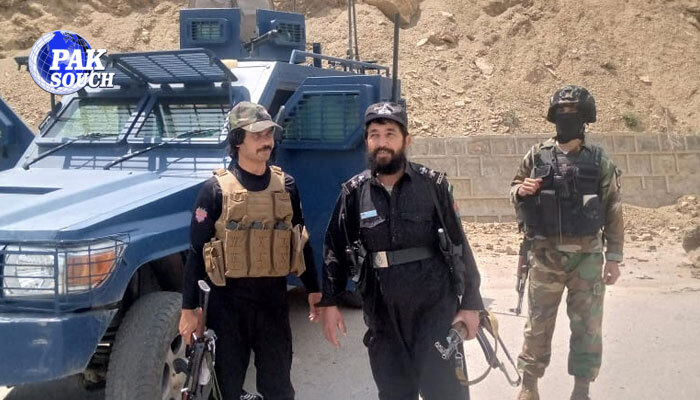
Operational resources also remain inadequate compared to other provinces. The KP CTD currently possesses only 17 bulletproof double-cabin vehicles, a number significantly lower than Balochistan’s 42 and Punjab’s 76 armored vehicles. Officials say the shortage of protected transport poses a considerable challenge for officers carrying out high-risk intelligence-based operations against terrorist groups.
Recognizing these deficiencies, the provincial government has initiated measures aimed at strengthening the department’s operational capacity. According to the documents, the CTD is in the process of purchasing 97 new vehicles, including 60 bulletproof vehicles, to enhance mobility and improve the safety of personnel deployed in dangerous areas.
In addition, recruitment is underway for 638 permanent field operators, a move intended to reduce the department’s dependence on officers borrowed from the regular police force and to establish a more professional, specialized counterterrorism workforce.
The report notes that Khyber Pakhtunkhwa remains one of Pakistan’s most terrorism-affected provinces, with security forces and law enforcement agencies frequently conducting intelligence-based operations against militant networks. Given the persistent security challenges, experts believe that strengthening the CTD’s institutional capacity is essential for maintaining an effective counterterrorism response.
Officials say that while progress has been made through the construction of offices and planned recruitment, substantial gaps remain in permanent staffing, infrastructure, and modern equipment. They warn that these shortcomings could limit the department’s operational effectiveness unless additional resources are allocated.
The report concludes that the shortage of permanent personnel, secure transport, dedicated facilities, and advanced operational resources represents a significant challenge for the KP CTD at a time when the province continues to face an elevated threat from terrorism. Ongoing recruitment drives, infrastructure projects, and vehicle procurement are expected to improve the department’s capabilities, but officials acknowledge that considerable work remains before it reaches the level of preparedness seen in Balochistan and Punjab.
About The Author