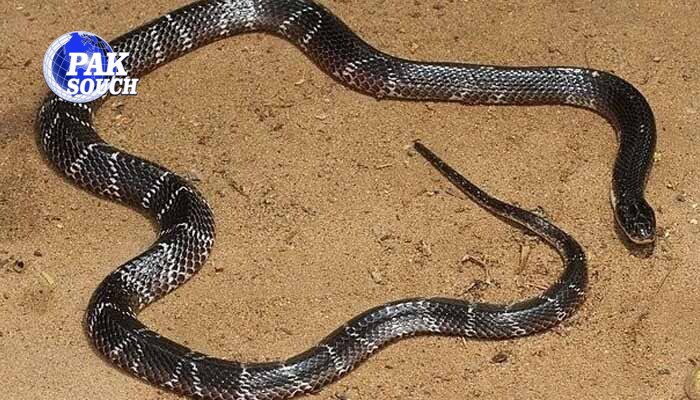
A tragic incident at a school hostel in India’s eastern state of Jharkhand has claimed the life of a 12-year-old student after a snake allegedly bit four girls while they were sleeping. Three other students remain under medical treatment as authorities investigate the circumstances surrounding the incident.
According to Indian media reports, the incident occurred in a hostel attached to a local school in Lohardaga district, where several students were sleeping in a shared room during the night. The girls reportedly woke up after realizing they had been bitten by a snake, triggering panic among hostel residents and staff.
The injured students were immediately rushed to a nearby hospital for emergency medical treatment. Despite the efforts of doctors, one of the victims, identified as 12-year-old Varsha, succumbed to the effects of the snakebite. The remaining three students are receiving treatment, and hospital officials have stated that they are under close observation.
The sudden tragedy has left the school community and the victims’ families in deep shock. Parents and local residents gathered outside the school and hospital after learning of the incident, expressing grief and concern over the safety conditions at the hostel.
According to reports, the deceased student’s family has filed a complaint with local police, demanding a thorough investigation into the incident. The family has also sought accountability from those responsible for maintaining the hostel premises, questioning whether adequate safety measures had been taken to prevent such a dangerous occurrence.
Police officials have confirmed receiving the complaint and said an inquiry has been initiated. Investigators are expected to examine the hostel building, surrounding environment, and maintenance records to determine how the snake entered the students’ room and whether negligence played any role.
Local authorities are also coordinating with wildlife and forest officials to inspect the hostel premises. Experts believe that snakes often seek shelter in buildings during periods of heavy rainfall or changing weather conditions, particularly if nearby vegetation, debris, or poor sanitation provide suitable hiding places.
Incidents involving snakebites remain a significant public health concern in many parts of India, particularly in rural and semi-rural regions. During the monsoon season, encounters between humans and snakes tend to increase as flooding and damp conditions force reptiles to move into residential areas, schools, and other buildings.
Medical experts emphasize that immediate treatment is critical in cases of venomous snakebites. Victims should be transported to the nearest medical facility without delay, where anti-venom treatment can be administered if necessary. Early intervention significantly improves survival rates and reduces the risk of long-term complications.
The incident has also renewed concerns about safety standards in educational institutions, especially boarding schools and hostels located in rural areas. Education and child welfare advocates argue that school administrations should conduct regular inspections of hostel buildings, seal potential entry points for snakes and other dangerous animals, maintain clean surroundings, and educate students and staff on emergency response procedures.
Residents in the area have urged authorities to implement stronger preventive measures to ensure the safety of children living in hostels. Suggestions include periodic pest and wildlife inspections, improved sanitation, trimming overgrown vegetation around school buildings, and installing protective barriers where necessary.
As news of the incident spread, condolences poured in for the family of the deceased student. Community members described the loss of a young child under such circumstances as heartbreaking and called for swift action to prevent similar tragedies in the future.
Officials have not yet released further details regarding the species of snake involved or the exact sequence of events leading up to the attack. The investigation is expected to determine whether additional safety protocols should be introduced at the school and whether any administrative lapses contributed to the incident.
The three surviving students continue to receive medical care, and doctors are monitoring their condition. Authorities have assured the families that every effort is being made to provide appropriate treatment and support.
The case highlights the continuing challenge posed by snakebites in many regions where educational institutions are located close to forests, farmland, or natural habitats. Public health experts stress that awareness campaigns, timely medical care, and preventive infrastructure are essential to reducing snakebite-related deaths.
The investigation remains ongoing, and officials are expected to submit a report after completing inspections and gathering statements from school authorities, hostel staff, medical personnel, and witnesses. Meanwhile, the tragic death of 12-year-old Varsha has sparked renewed calls for stronger safety measures to protect students living in residential educational facilities across the region.
About The Author