

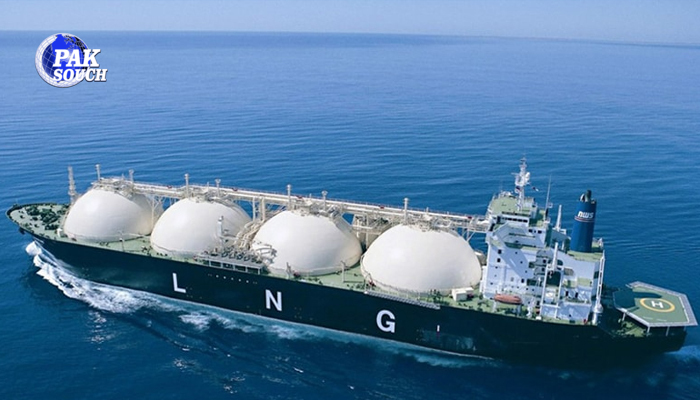
Islamabad: Pakistan has been compelled to procure more expensive liquefied natural gas (LNG) from the international spot market after QatarEnergy extended the force majeure declared following an attack on the Ras Laffan LNG production complex.
According to official information, Qatar has extended the force majeure by an additional month, with the measure now remaining in effect until the end of August 2026.
The extension means that LNG supplies under Pakistan’s long-term agreement with Qatar continue to face disruption, forcing the country to seek alternative cargoes on the spot market, where prices are generally higher and more volatile than under long-term contracts.
Higher Import Costs
The reliance on spot-market purchases is expected to increase Pakistan’s energy import bill, as spot LNG cargoes typically carry a premium compared with long-term contractual supplies.
Energy officials say the move has become necessary to ensure uninterrupted gas availability for domestic consumers and industries despite the temporary disruption in contracted shipments.
Government Expects Supplies to Resume
Federal Minister for Petroleum and Natural Resources Ali Pervaiz Malik told The News that the government remains hopeful the force majeure will be lifted in September.
He said that if the restriction ends as expected, LNG deliveries under Pakistan’s long-term agreement with Qatar should return to normal.
“Our expectation is that if the force majeure is withdrawn in September, LNG cargo supplies under the long-term contract with Qatar will resume according to schedule,” the minister said.
Impact on Pakistan’s Energy Sector
Qatar is one of Pakistan’s principal LNG suppliers, and long-term contracts with QatarEnergy play a critical role in meeting the country’s natural gas demand.
Any prolonged disruption in these supplies increases Pakistan’s dependence on the international spot market, exposing it to fluctuating global prices and potentially adding pressure to the country’s foreign exchange reserves and energy costs.
Officials continue to monitor the situation closely while working to secure sufficient LNG imports to meet domestic demand until regular contractual deliveries resume.
About The Author