

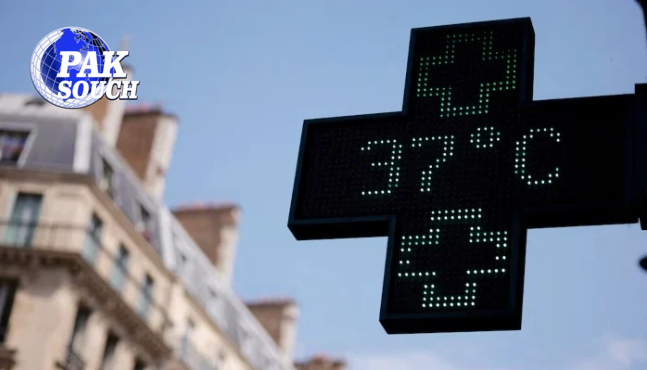
France, the Netherlands and Belgium have recorded 3,700 excess deaths during the June heatwave that sent temperatures soaring across Europe, with authorities warning that the numbers are preliminary and could rise.
Experts have said the heatwave, which lasted from about June 20-28, was the worst recorded in Europe, causing disruption to power generation, damaging infrastructure and overwhelming healthcare systems. The extreme heat was almost certainly driven by climate change, scientists said.
There were 2,025 excess deaths recorded in France during the heatwave, with a particular increase in deaths among people aged over 45, French Health Minister Stephanie Rist told local television on Friday.
Deaths at home rose 91% between June 22-28 compared to the previous week, while deaths in nursing homes and healthcare facilities also increased, the country’s public health authority said in a bulletin.
“Mortality will … be higher than these initial figures suggest,” the authority warned.
‘Unprecedented mortality data’
In Belgium, the Health Ministry said on Thursday it had registered excess mortality of about 1,200 deaths between June 18 and June 29, adding that 530 of the deaths were among people aged 85 or older. People aged under 65 accounted for 180 of the excess deaths.
“Such excess mortality during a heatwave is unprecedented in our country,” the ministry said in a statement.
Authorities in the Netherlands said the heatwave led to about 480 excess deaths, mainly among the over 80s.
About The Author