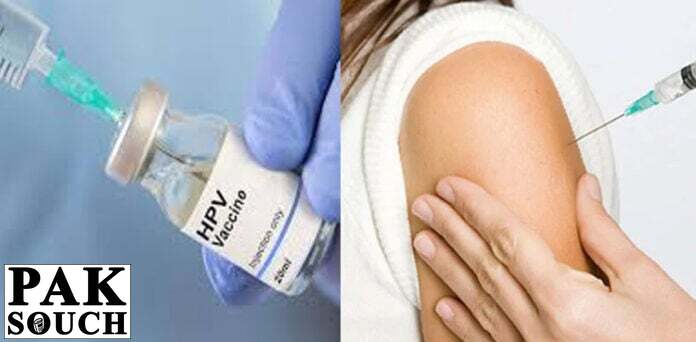
Cervical cancer, caused mainly by the Human Papillomavirus (HPV), is one of the most common cancers affecting women worldwide. To tackle this disease, Pakistan has recently launched a national HPV vaccination campaign starting from 15th September, targeting girls aged 8 to 14 years. The goal is to protect future generations from a cancer that is largely preventable with timely vaccination.
However, many parents are hesitant and confused about whether they should allow their daughters to receive the HPV vaccine. This hesitation often stems from a lack of awareness about the vaccine’s safety, effectiveness, and potential side effects. To address these concerns, experts such as Dr. Muhammad Khalid Shafi, a pediatric specialist, have shared important insights in awareness programs like ARY News – Ba Khabar Sawera.
Why is Cervical Cancer Dangerous?
- Cervical cancer develops in the lower part of the uterus (cervix), and its primary cause is infection with high-risk strains of HPV, which is transmitted through intimate contact.
- Globally, cervical cancer claims thousands of lives each year, despite being preventable through early vaccination and regular screening.
- In many developing countries, lack of awareness and access to medical care make it one of the leading causes of cancer-related deaths among women.
Benefits of the HPV Vaccine
- Prevention of Cervical Cancer
- The HPV vaccine protects against the most dangerous strains of the virus that are responsible for over 70% of cervical cancer cases.
- Early Protection
- Vaccinating girls between 8 and 14 years is most effective because their immune response is stronger at this age, and they are usually not exposed to HPV yet.
- Long-Term Health Benefits
- Studies show that protection can last for many years, significantly reducing the risk of developing cervical cancer later in life.
- Additional Cancer Protection
- Besides cervical cancer, HPV is also linked to other cancers (such as anal, throat, and genital cancers). The vaccine provides added protection against these.
- Global Success Stories
- Countries like Australia and the UK that introduced HPV vaccination programs have already reported a dramatic decline in cervical cancer rates, proving its effectiveness.
Possible Side Effects and Concerns
Like any medical intervention, the HPV vaccine can have some side effects, though they are generally mild and temporary:
- Common side effects:
- Pain, redness, or swelling at the injection site
- Mild fever
- Headache or dizziness
- Fatigue
- Rare side effects:
- Allergic reactions (extremely rare and treatable)
- Fainting episodes (hence, children are usually observed for 15 minutes after vaccination)
Importantly, there is no scientific evidence linking the HPV vaccine to infertility or major long-term health issues, which are common myths spread on social media.
Expert Advice
Dr. Muhammad Khalid Shafi and other health specialists emphasize that the benefits far outweigh the risks. By vaccinating young girls today, parents can help ensure that their daughters are protected from a potentially deadly but preventable disease in the future.
They also recommend:
- Parents should seek accurate medical information rather than relying on rumors.
- Girls who are not vaccinated at the recommended age may still benefit from the vaccine later, though effectiveness is greatest before exposure to HPV.
- Vaccination should ideally be combined with regular screening (Pap smear tests) in adulthood for maximum protection.
Conclusion
The HPV vaccine is a safe, proven, and effective way to protect against cervical cancer. While mild side effects may occur, they are temporary and manageable. The long-term benefits of reducing cancer risk are far greater than the minor discomforts.