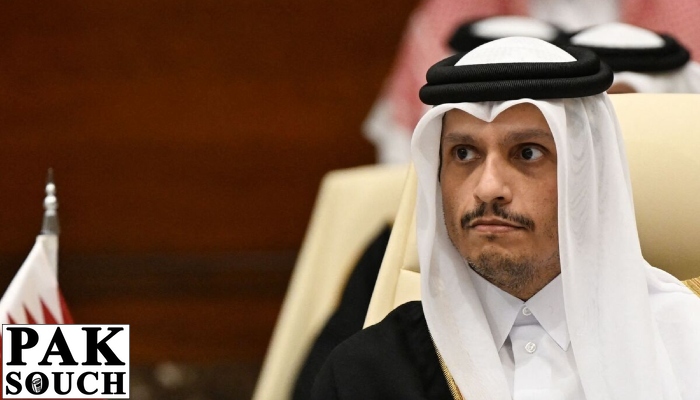
Doha, Qatar – In a strongly worded statement following the Israeli airstrike in Doha, Qatar’s Prime Minister Sheikh Mohammed bin Abdulrahman Al Thani described the attack as an act of “state terrorism”. Speaking at his first press conference after the incident, he emphasized that Qatar reserves the right to respond decisively and will not ignore the aggression.
Commitment to a Strong and Legal Response
Sheikh Mohammed stated that Qatar intends to go beyond mere statements and condemnations, employing all available means to respond effectively. A special legal team is being formed to hold Israel accountable for its actions. The Prime Minister stressed that the incident represents a critical turning point in regional affairs, calling on all countries in the Middle East to respond collectively to such acts of brutality.
“This event is pushing the entire region toward chaos, and the Israeli Prime Minister is creating instability across the Middle East,” Sheikh Mohammed said. He further highlighted that the attack coincided with a meeting of the Hamas negotiation team, which was discussing American proposals aimed at reaching a ceasefire agreement in Gaza. According to the Prime Minister, Israel deliberately sabotaged this diplomatic effort.
Refuting U.S. Claims of Prior Notification
Addressing reports that the United States had informed Qatar in advance about the Israeli strike, Sheikh Mohammed rejected these claims. He clarified that American officials contacted Qatari authorities 10 minutes after the attack, but due to the strike’s sudden nature and the use of drones invisible on radar, Qatar was unable to prevent it.
Ongoing Mediation for Gaza Ceasefire
Despite the attack, Sheikh Mohammed reaffirmed Qatar’s commitment to mediating a ceasefire in Gaza. “No one can prevent us from continuing our mediation efforts in the region,” he said, signaling Qatar’s determination to play an active role in achieving peace and stability.
The Qatari Prime Minister’s comments come amid reports in international media suggesting that Qatar had temporarily suspended its mediation role in Gaza and the release of hostages. Sheikh Mohammed clarified that Qatar remains fully engaged in its diplomatic efforts to facilitate a ceasefire and protect civilians affected by the conflict.
Regional Implications
The attack and Qatar’s response underscore growing tensions in the Middle East and the risks associated with unilateral military actions that undermine ongoing peace efforts. Qatar’s insistence on a legal and comprehensive response signals its intention to assert sovereignty and protect its citizens, while maintaining a proactive role in regional diplomacy.
The Prime Minister’s stance also reflects Qatar’s broader approach to the conflict: balancing condemnation of aggression with continued mediation and diplomatic engagement, aiming to achieve a sustainable ceasefire and safeguard humanitarian interests in Gaza.