

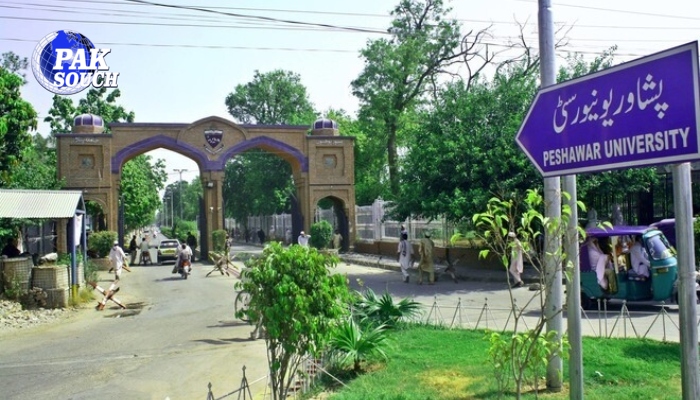
Peshawar: Facing a growing financial crisis, the University of Peshawar has decided to place all official vehicles under a centralized transport management system in an effort to reduce expenses and improve resource utilization.
The decision was announced through an office order issued by the university’s Additional Registrar.
All University Vehicles to Be Centralized
According to the official order, all vehicles currently assigned to various departments, offices, and institutions of the university will be returned immediately to the University Transport Pool.
The administration stated that the move is intended to ensure more efficient use of transportation resources while reducing operational and maintenance costs.
University officials believe that centralized management will help eliminate unnecessary expenditure and improve oversight of vehicle usage.
Measure Linked to Financial Challenges
The decision comes as the university continues to grapple with financial difficulties and budgetary constraints.
Officials said the measure is part of a broader effort to control spending and manage available resources more effectively.
The administration emphasized that reducing non-essential expenses has become necessary in light of the institution’s current financial situation.
Approved by Senate and Deans Committee
The office order stated that the decision was made following recommendations from the 138th meeting of the University Senate and the Deans Committee.
These recommendations were subsequently approved by the university administration as part of ongoing cost-cutting reforms.
Vice Chancellor Also Cuts Vehicle Expenses
In a symbolic move aimed at demonstrating institutional accountability, the Vice Chancellor has also ordered a reduction in the fuel and operational expenses associated with his official vehicle.
According to the order, Rs20,000 per month will be deducted from the vehicle’s POL (Petrol, Oil, and Lubricants) expenses.
The measure is intended to set an example for other departments as the university seeks to manage its finances more responsibly.
Departments Required to Comply
The directive applies to a wide range of university units, including:
- Deans’ offices
- Academic departments
- Research institutes
- Centers and schools
- Affiliated colleges
The order instructs principals, deans, directors, and heads of departments to ensure immediate compliance with the decision.
Efforts to Improve Financial Management
The centralization of transport resources is part of a broader strategy aimed at improving administrative efficiency and reducing recurring expenditures.
Universities across Pakistan have increasingly faced financial pressures due to rising operational costs, infrastructure expenses, and budget limitations, prompting administrations to adopt cost-saving measures.
Conclusion
The University of Peshawar has taken a significant step toward reducing expenditures by ordering all official vehicles to be placed under a centralized transport pool. The move, backed by the university senate and deans committee, is intended to address financial challenges, improve resource management, and promote greater administrative efficiency across the institution.
About The Author