

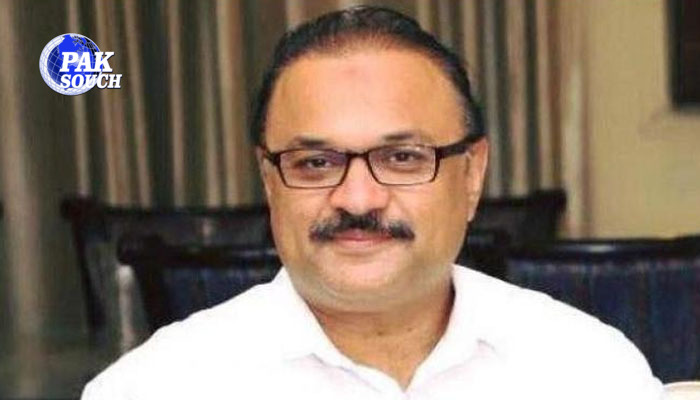
Islamabad: Pakistan Tehreek-e-Insaf (PTI) leader Aamir Dogar has welcomed the recent reduction in petroleum product prices and praised the government’s decision, while also calling for a further cut in the petroleum levy to provide additional relief to the public.
Speaking in the National Assembly during the budget discussion, Aamir Dogar acknowledged the government’s efforts in reducing fuel prices, stating that the decision would benefit the common man by lowering transportation and daily living costs.
However, he stressed that further relief is possible if the government reduces the petroleum levy, which he said currently stands at around Rs123 per litre. He argued that lowering this levy would directly translate into greater financial relief for consumers already affected by inflation.
Dogar also put forward several other budget recommendations during his speech. He suggested reducing the advance tax on telecommunications from 15 percent to 8 percent, saying that high taxation on mobile and internet services places an additional burden on the public.
He further criticized proposed legislation related to telecommunications companies, claiming that certain legal provisions could allow companies to forcibly acquire individuals’ property. He questioned the legality and fairness of such measures, asking how any private entity could be permitted to take property without consent.
The PTI leader also called for the removal of overall taxes on the agriculture sector, arguing that farmers are already under financial pressure and require relief to sustain productivity and growth.
In addition, he demanded the restoration of tax exemptions for university faculty members, the reinstatement of medical allowances for federal government employees and pensioners, and a 15 percent salary increase for government staff.
Aamir Dogar also proposed increased funding for major infrastructure projects, particularly the Karachi–Hyderabad Motorway, stating that improved connectivity is essential for economic development in the region.
On energy policy, he stressed the importance of completing the Iran–Pakistan gas pipeline project without delay and suggested exploring agreements for petroleum imports from Iran to secure more affordable energy supplies.
His remarks reflected broader opposition concerns over inflation, taxation policies, and energy pricing, while also acknowledging the recent reduction in fuel prices as a positive step.
Economists note that petroleum levy remains one of the key revenue sources for the government, making it difficult to reduce significantly without impacting fiscal targets. However, calls for relief continue as fuel costs remain a major driver of inflation in the country.
The debate on budget proposals is ongoing in the National Assembly, where lawmakers from مختلف political parties are presenting recommendations aimed at shaping fiscal policy for the upcoming financial year.
About The Author