


Islamabad: Minister of State for Finance and Revenue Bilal Azhar Kiani has announced that the government will bring approximately 3.5 million shopkeepers into the tax net during the current fiscal year, as part of efforts to broaden the country’s tax base and strengthen the national economy.
Speaking in the National Assembly during the debate on the federal budget 2026–27, the minister reiterated that expanding the tax net is a key priority of the government’s economic reform agenda.
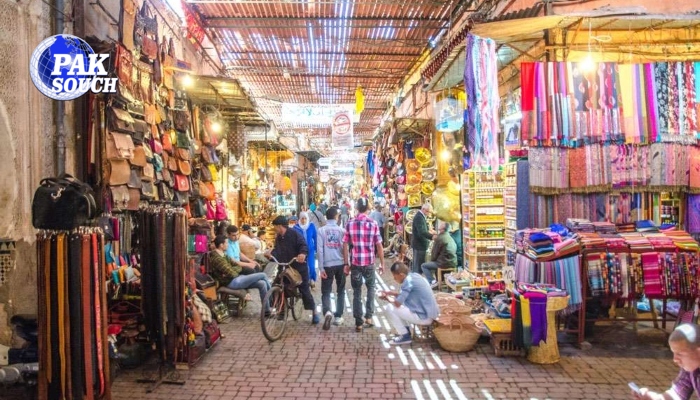
He said that the initiative targets the retail sector, particularly small shopkeepers, who make up a large portion of Pakistan’s informal economy. According to him, bringing this segment into the documented economy will help improve revenue collection and support long-term economic stability.
Bilal Azhar Kiani stated that registered traders will be formally enrolled with the Federal Board of Revenue (FBR) under a structured registration system. As part of this initiative, the FBR will issue a green-colored identification plate to registered shopkeepers, which will serve as a visible sign of compliance with tax regulations.
He further explained that the government intends to simplify the tax compliance process for registered traders. In normal circumstances, audits of registered shopkeepers will be kept limited, with the aim of reducing unnecessary administrative burden and encouraging voluntary compliance.
The minister emphasized that the core objective of this policy is to integrate shopkeepers into the formal economy, strengthen national revenue generation, and promote inclusive economic growth. He said that a broader tax base would reduce reliance on indirect taxes and help create more balanced fiscal policies.
According to the minister, the inclusion of millions of shopkeepers in the tax net will significantly increase the number of registered taxpayers in Pakistan. This, he added, is essential for improving economic documentation and ensuring transparency in financial transactions.
Economic observers note that Pakistan continues to face challenges related to a narrow tax base and heavy dependence on indirect taxation. Expanding the tax net to include the retail sector is widely seen as an important reform step, although its success will depend on effective implementation and cooperation from traders.
The government has previously introduced various initiatives aimed at documenting the economy, but progress has been slow due to structural issues such as a large informal sector, limited digital infrastructure, and concerns among small businesses regarding compliance costs.
Officials believe that the new policy, if implemented effectively, could improve revenue collection and help stabilize public finances at a time when the country is pursuing broader economic reforms.
The announcement also aligns with ongoing efforts to meet fiscal targets and improve tax-to-GDP ratios under economic adjustment programs. Authorities have repeatedly stressed the importance of expanding the tax base rather than increasing tax rates on existing taxpayers.
Further details regarding the registration process, incentives for compliance, and enforcement mechanisms are expected to be released by the Federal Board of Revenue in upcoming phases of implementation.
For now, the government has reaffirmed its commitment to bringing more sectors into the formal economy while ensuring that the process remains facilitative and business-friendly for newly registered taxpayers.
About The Author