

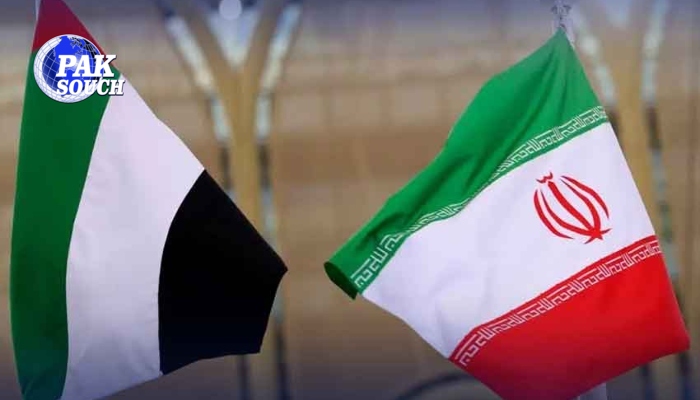
TEHRAN: Iran has strongly denied media reports claiming that $3 billion worth of frozen Iranian assets were transferred to Abu Dhabi, calling the allegations “baseless and part of propaganda campaigns.”
The clarification came from Iran’s Foreign Ministry spokesperson Esmaeil Baghaei, according to international news agencies.
Reports of Asset Movement Rejected
Earlier, Israeli media outlets had claimed that frozen Iranian funds had been moved to Abu Dhabi and subsequently transferred back to Tehran.
However, Iranian officials dismissed these reports, stating that no such financial transfer has taken place.
“Baseless Claims and Propaganda”
Baghaei said that claims regarding the transfer of frozen assets to regional countries are completely unfounded.
He added that such reports are part of coordinated media narratives aimed at creating confusion and political pressure.
According to him, opposing sides are using misinformation to influence public perception and diplomatic discussions.
No Confirmation from Neutral Sources
So far, there has been no independent confirmation of any movement of Iranian frozen assets involving Abu Dhabi or other regional financial centers.
Financial analysts say that such transactions, if they occur, would typically involve complex international banking procedures and official disclosures.
Ongoing Tensions and Information Disputes
The statement comes amid ongoing geopolitical tensions involving Iran and regional actors, where conflicting reports and information campaigns have become increasingly common.
Observers note that economic issues, particularly sanctions and frozen assets, remain a sensitive topic in Iran’s foreign relations.
Official Position
Iran maintains that its frozen overseas assets remain subject to existing sanctions frameworks and have not been transferred or released through any informal or unverified arrangements.
Authorities have urged media outlets to rely on official sources and avoid publishing unverified claims that could escalate tensions or spread misinformation.
The controversy highlights the broader climate of distrust and competing narratives surrounding financial and diplomatic developments in the region.
About The Author