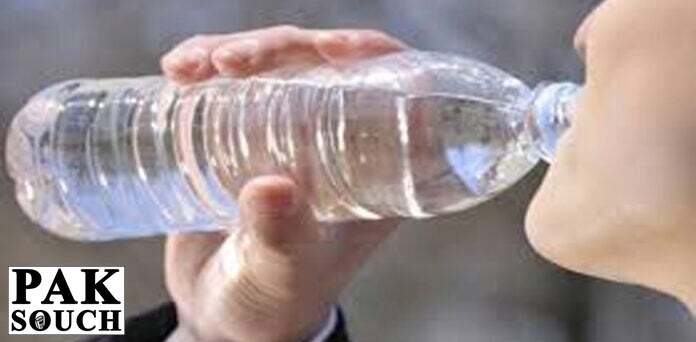
In our modern world, bottled water has become almost a necessity. Whether at work, on a journey, in the gym, or during daily routines, millions rely on plastic bottles to quench their thirst. At first glance, it may appear safe and convenient. Yet, recent scientific studies reveal a far darker picture: drinking from plastic bottles is not merely a habit of convenience—it can be a silent gateway to disease.
Microplastics in Bottled Water
Research shows that nearly 80 percent of bottled water available in the market contains microplastics—tiny fragments invisible to the naked eye. These fragments do not just float harmlessly in the liquid; they carry harmful chemicals that, once ingested, interact with the body in ways that may trigger heart disease, hormonal imbalances, reproductive problems, and even cancer. Alarmingly, bottled water has been found to contain, on average, 240,000 tiny particles per liter, while ordinary tap water holds only about 5.5 particles per liter. This difference shows how much greater the risk is when people depend heavily on bottled water.
Heat and the Silent Danger
One of the most dangerous habits is leaving plastic bottles in a closed car under the scorching sun. Studies reveal that when bottles are exposed to heat for prolonged periods—such as in a vehicle with the air conditioner turned off—chemicals leach out of the plastic and dissolve into the water. Researchers at Nanjing University in China kept plastic bottles at 70°C for four weeks. The results were shocking: toxic substances including antimony and bisphenol A (BPA) were released into the water in significant quantities.
The Toxic Effects of Antimony and BPA
Antimony, a heavy metal, can cause immediate symptoms such as headaches, dizziness, nausea, and abdominal pain. With long-term exposure, it may lead to lung inflammation, ulcers, and chronic digestive disorders. On the other hand, BPA has been linked to far more severe and long-term health conditions: cancers, cardiovascular diseases, diabetes, premature death, and developmental issues in children. BPA is known to mimic hormones, disrupting the body’s endocrine system, and can even interfere with fertility.
Links to Major Diseases
Microplastics and the chemicals they carry do not merely remain in the digestive system. Being extremely small, these nanoplastics enter the bloodstream and can penetrate cell walls, reaching vital organs including the brain. They carry with them phthalates—chemicals that make plastic flexible and durable. Studies connect phthalates with developmental defects in newborns, learning difficulties in children, neurological decline in adults, asthma, infertility, and multiple cancers. Even more worrying is evidence that these particles may directly raise blood pressure, thereby heightening risks of strokes and heart attacks.
The Global Perspective
This issue is not limited to any single country; it is a global problem. The bottled water industry is worth billions of dollars, yet regulations in most regions focus more on ensuring microbial safety than on monitoring chemical leakage or microplastic contamination. Consumers are often unaware that the product they associate with purity and safety may actually expose them to long-term health risks.
Children and Vulnerable Groups at Greater Risk
Children, pregnant women, and individuals with pre-existing health conditions are particularly vulnerable. For infants and toddlers, exposure to BPA and phthalates can hinder brain development, reduce immunity, and lead to lifelong health challenges. Pregnant women exposed to these chemicals risk passing harmful substances to their unborn children, potentially causing birth defects or developmental delays. For the elderly or those already struggling with chronic illnesses, the added burden of toxic microplastics increases the risk of life-threatening complications.
Alternatives and Precautions
While the evidence is alarming, it also offers an opportunity to change habits and reduce risk. Some simple steps include:
- Avoiding bottled water left in hot cars or exposed to sunlight. Heat dramatically accelerates chemical leaching.
- Using glass or stainless-steel bottles. These alternatives are safer, reusable, and environmentally friendly.
- Choosing tap water where it is safe and filtered. Modern filtration systems can effectively remove many contaminants without introducing plastic-based toxins.
- Public awareness campaigns. Communities need education about the hidden risks of plastic bottles and the importance of safer options.
Environmental Impact
Beyond personal health, plastic bottles pose a massive threat to the environment. Billions of bottles end up in landfills or oceans, where they break down into microplastics that contaminate soil, rivers, and marine ecosystems. These particles are ingested by fish and other sea life, eventually finding their way back into the human food chain. Thus, the problem of bottled water is both a public health crisis and an ecological disaster.
Conclusion
What appears to be a harmless act—drinking water from a plastic bottle—may in fact be exposing people to a cocktail of invisible poisons. Microplastics, antimony, BPA, and phthalates are not just chemical names; they are silent agents of disease infiltrating the human body day after day. Cancer, infertility, hormonal imbalance, diabetes, and neurological decline are only some of the potential outcomes.
While bottled water will not disappear overnight, people can make informed choices to protect themselves and their families. By reducing dependence on plastic bottles, promoting safer alternatives, and pressuring industries to adopt stricter safety measures, society can take vital steps toward healthier living. Quenching thirst should never come at the price of long-term health—and yet, for millions today, it sadly does.