

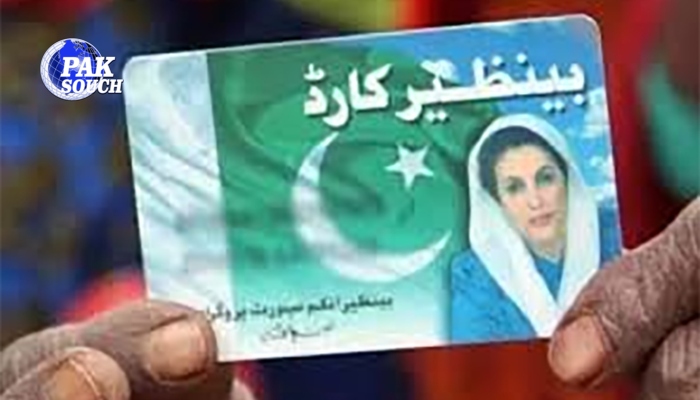
Islamabad: In a significant step aimed at expanding social protection coverage, authorities have decided to include unmarried women aged 35 years and above in the Benazir Income Support Programme (BISP), one of Pakistan’s largest welfare initiatives.
The announcement was made during a meeting of a Public Accounts Committee (PAC) subcommittee, where lawmakers discussed issues related to the scope and effectiveness of social assistance programs.
Issue Raised During PAC Subcommittee Meeting
During the meeting, committee member Bilal Mandokhail highlighted concerns regarding the eligibility criteria for beneficiaries under the Benazir Income Support Programme.
He pointed out that unmarried women were not adequately represented among the program’s beneficiaries despite being among the segments of society most in need of financial assistance.
According to Mandokhail, many unmarried women face economic hardship and lack family support systems, making them particularly vulnerable.
“The women who deserve assistance the most are often unmarried women who have no one to support them,” he reportedly told the committee.
BISP Officials Announce Inclusion
Responding to the concerns raised during the meeting, BISP officials informed the committee that unmarried women above the age of 35 are being included in the program.
The decision is expected to broaden access to financial assistance for women who may have previously fallen outside existing eligibility categories.
Officials indicated that the move is part of ongoing efforts to make the social safety net more inclusive and responsive to the needs of vulnerable groups.
Expanding Social Protection Coverage
The Benazir Income Support Programme serves millions of low-income households across Pakistan through direct cash assistance and various social welfare initiatives.
The inclusion of unmarried women over 35 reflects a growing recognition that poverty and financial vulnerability can affect individuals outside traditional household structures.
Social policy experts note that unmarried women, particularly those without family support or stable sources of income, may face unique economic challenges that can limit their access to healthcare, education, housing, and other basic necessities.
Importance of the Decision
The decision could benefit a significant number of women who have remained outside formal welfare coverage despite facing economic difficulties.
Supporters of the move argue that:
- It recognizes the needs of a previously overlooked group.
- It strengthens social protection mechanisms.
- It promotes greater financial inclusion for women.
- It helps reduce economic vulnerability among single women.
The initiative is also consistent with broader efforts to improve targeted assistance for disadvantaged segments of society.
BISP’s Role in Poverty Alleviation
Established as a flagship social welfare program, BISP aims to provide financial support to low-income families through transparent and targeted mechanisms.
Over the years, the program has expanded to include various initiatives focused on poverty reduction, women’s empowerment, education, and social development.
The addition of unmarried women over 35 years of age is expected to further enhance the program’s reach and effectiveness.
Implementation Details Awaited
While BISP officials confirmed the decision during the committee meeting, detailed information regarding eligibility criteria, registration procedures, and implementation timelines has yet to be announced publicly.
Potential beneficiaries are expected to receive further guidance once the relevant administrative processes are finalized.
For now, the announcement marks an important policy development aimed at extending financial assistance to unmarried women above the age of 35, recognizing their economic needs and bringing them within the ambit of Pakistan’s largest social welfare program.
About The Author