


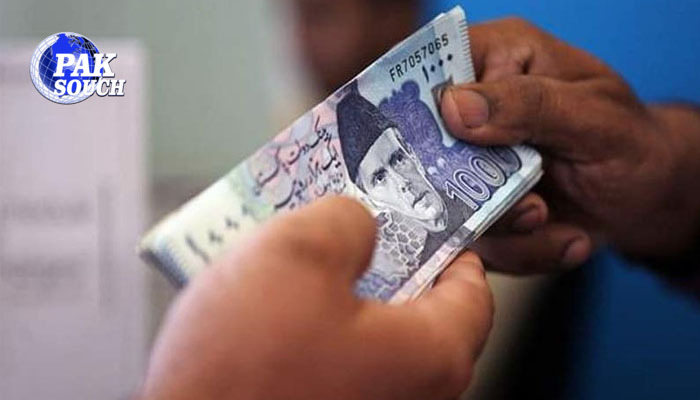
Islamabad: The Pakistan Institute of Development Economics (PIDE) has recommended increasing the country’s minimum monthly wage to Rs45,000 for the upcoming fiscal year 2026-27, proposing a data-driven framework aimed at improving workers’ living standards amid rising inflation and economic pressures.
The recommendation has been presented as part of an evidence-based policy proposal designed to help policymakers determine an appropriate national minimum wage for the next financial year.
Proposed Increase of 12.5 Percent
According to PIDE’s recommendation, the minimum monthly wage should be increased from the current Rs40,000 to Rs45,000, representing a 12.5 percent increase.
The proposal comes at a time when households across Pakistan continue to face higher living costs, including rising expenses related to food, transportation, housing, utilities, education, and healthcare.
Economists argue that regular adjustments to minimum wages are necessary to ensure that workers’ purchasing power is not eroded by inflation.
Evidence-Based Framework Suggested
PIDE has proposed an evidence-based framework for determining minimum wages rather than relying solely on administrative decisions or ad hoc adjustments.
The institute believes that wage-setting should take into account several economic indicators, including:
Inflation trends.
Cost of living.
Household consumption patterns.
Labor productivity.
Economic growth rates.
Employment conditions.
By linking wage adjustments to measurable economic factors, policymakers may be able to establish a more transparent and predictable system for future revisions.
Addressing Rising Cost of Living
The recommendation reflects growing concerns about the financial challenges faced by low-income and wage-earning households.
In recent years, inflation has significantly increased the cost of essential goods and services, putting pressure on workers whose incomes have not always kept pace with price increases.
Supporters of a higher minimum wage argue that an increase to Rs45,000 could provide some relief to workers struggling to meet basic household expenses.
However, economists also note that wage increases must be balanced with broader economic realities to avoid unintended consequences such as increased production costs and pressure on small businesses.
Impact on Workers and Employers
If adopted by the government, the proposed increase could affect millions of workers across various sectors of the economy, particularly those employed in industries where wages are closely aligned with the legally mandated minimum wage.
Potential benefits for workers include:
Improved purchasing power.
Better ability to manage household expenses.
Increased financial security.
Greater protection against inflation.
For employers, especially small and medium-sized enterprises, higher wage requirements could lead to increased labor costs. Business groups often emphasize the need for gradual adjustments that consider economic conditions and business sustainability.
Minimum Wage and Economic Policy
The minimum wage serves as a key component of labor and social protection policy. Governments periodically revise wage levels to ensure that workers receive fair compensation while maintaining economic competitiveness.
Experts note that effective minimum wage policies can contribute to poverty reduction, income equality, and improved living standards when implemented alongside broader economic reforms.
At the same time, policymakers must consider factors such as labor market conditions, productivity growth, and the ability of businesses to absorb higher wage costs.
Government Yet to Announce Final Decision
While PIDE has put forward its recommendation, the final decision regarding the minimum monthly wage for fiscal year 2026-27 will be made by the federal and provincial governments as part of the annual budget and labor policy process.
The proposal is expected to be reviewed alongside other economic measures before the announcement of the new fiscal year’s budget.
If approved, the increase would raise Pakistan’s official minimum monthly wage to Rs45,000, marking another step in efforts to align workers’ incomes with the country’s evolving economic realities and cost-of-living challenges.
About The Author