


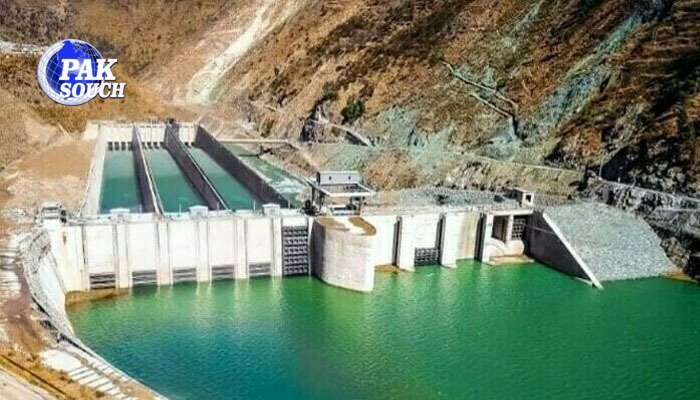
An audit report has revealed that Pakistan’s national exchequer suffered losses exceeding Rs42.93 billion due to technical flaws, poor oversight, and operational failures linked to the Neelum-Jhelum Hydropower Project, one of the country’s largest energy infrastructure ventures.
According to audit officials, the National Engineering Services Pakistan (NESPAK), which was responsible for consultancy and technical supervision of the project, allegedly failed to ensure proper monitoring and quality control during the construction and operational phases of the hydropower plant. The report highlighted that shortcomings in engineering oversight contributed significantly to structural issues that later caused major disruptions in electricity generation.
The Neelum-Jhelum Hydropower Project, located in Azad Jammu and Kashmir, was designed to generate around 969 megawatts of electricity and was considered a key initiative aimed at reducing Pakistan’s energy shortfall through hydropower production. However, despite the project’s strategic importance and massive investment, it has faced repeated technical setbacks since becoming operational.
The audit report stated that the Neelum-Jhelum power plant was shut down in July 2022 after a tunnel collapse severely damaged critical infrastructure within the project. The closure halted electricity generation and forced authorities to undertake extensive repair and rehabilitation work. Officials further disclosed that another incident occurred in May 2024 when a fresh accident was reported inside the Neelum-Jhelum tunnel, raising serious concerns about the durability and safety standards of the project.
According to the audit findings, the prolonged suspension of electricity generation resulted in losses worth billions of rupees. The report estimated that the combined financial impact of repair costs, rehabilitation expenses, and revenue losses caused by halted power production reached approximately Rs42.93 billion and Rs40 lakh.
Officials explained that the inability of the plant to remain fully operational not only increased the financial burden on the government but also negatively affected Pakistan’s already strained power sector. The temporary loss of nearly 1,000 megawatts of hydropower generation forced the country to rely more heavily on expensive alternative energy sources, adding pressure to electricity tariffs and the national economy.
The issue was also discussed during a meeting of the National Assembly’s Standing Committee on Finance and Revenue. During the proceedings, Committee Chairman Syed Naveed Qamar raised concerns regarding the repeated delays in completing investigations involving NESPAK. He questioned why inquiries related to the organization often remain unresolved for long periods without reaching any meaningful conclusion.
Syed Naveed Qamar reportedly remarked that investigations into NESPAK’s affairs seem to continue indefinitely but rarely result in accountability or final decisions. His comments reflected growing frustration among lawmakers over the pace of official inquiries and the absence of visible action against those responsible for alleged negligence.
Meanwhile, the Secretary of the Cabinet Division informed the committee that the federal government is currently conducting an inquiry into the matter. Authorities are expected to examine the causes of the tunnel failures, evaluate the role of consultants and contractors, and determine whether negligence or technical incompetence contributed to the project’s problems.
The Public Accounts Committee (PAC), after reviewing the preliminary audit observations, decided to defer the matter until the official inquiry report is completed and presented before the committee. PAC members emphasized the importance of a transparent investigation to establish accountability and prevent similar failures in future public infrastructure projects.
Energy experts and analysts believe the Neelum-Jhelum controversy has once again highlighted longstanding issues in Pakistan’s large-scale development projects, including weak oversight mechanisms, delayed accountability, cost overruns, and inadequate risk management. Many experts argue that independent technical evaluations and stricter monitoring systems are essential to ensure the safety and sustainability of strategic infrastructure projects.
The Neelum-Jhelum project has already faced criticism in the past due to delays in construction, rising costs, and operational complications. Initially estimated at a significantly lower cost, the project’s expenses increased dramatically over the years before its completion. The latest audit revelations are likely to intensify public debate regarding transparency, governance, and financial management in state-funded mega projects.
As the federal inquiry continues, policymakers and accountability institutions are expected to face increasing pressure to identify those responsible for the alleged losses and to introduce reforms aimed at improving technical oversight in future energy projects across the country.
About The Author