Islamabad: The federal government has announced a significant increase in the prices of petroleum products, raising both petrol and diesel rates for the coming week.
According to a notification issued by the Petroleum Division, the revised prices came into effect from midnight.
Petrol and Diesel Prices Increased
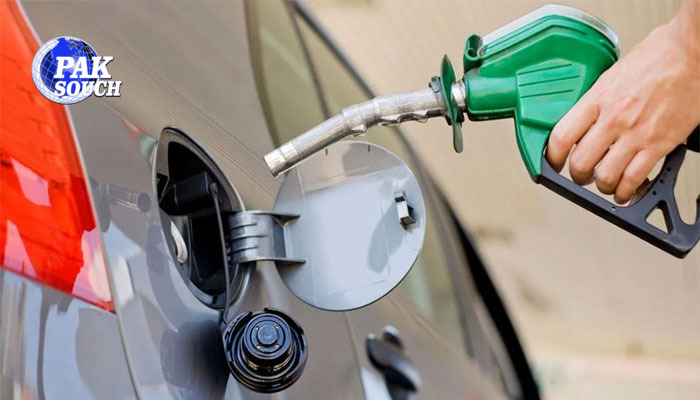
The government increased the price of high-speed diesel by Rs15 per litre, bringing the new price to Rs414.58 per litre.
Similarly, the price of petrol was increased by Rs14.92 per litre, after which the new petrol price reached Rs414.78 per litre.
Officials stated that the revised prices will remain effective for one week.
Petroleum Levy Also Raised
Sources within the Petroleum Division said the government has also increased the petroleum levy on both petrol and diesel.
The levy on petrol was raised by Rs13.91 per litre, increasing from Rs103.50 to Rs117.41 per litre.
Meanwhile, the levy on diesel increased from Rs28.69 to Rs42.60 per litre.
The petroleum levy is a major source of government revenue and is often adjusted in line with fiscal targets and international financial commitments.
Impact on Inflation and Transport Costs
The latest increase in fuel prices is expected to place additional pressure on inflation, transportation costs, and the prices of essential goods across the country.
Diesel is widely used in:
- Public transport
- Agriculture
- Goods transportation
- Heavy machinery
As a result, any increase in diesel prices typically affects food prices and supply chain expenses.
Similarly, higher petrol prices directly impact private vehicle owners, ride-hailing services, and daily commuters.
Public Concern Over Rising Costs
The increase comes at a time when citizens are already struggling with high inflation, electricity tariffs, and rising living expenses.
Consumers and transporters have expressed concern that another fuel price hike could further increase the cost of daily necessities and reduce purchasing power.
Economic analysts believe the latest adjustment may also influence:
- Bus and transport fares
- Freight charges
- Industrial production costs
- Agricultural expenses
Government Revenue Measures
Experts say the rise in petroleum levy indicates the government’s continued efforts to boost revenue collection and meet economic and fiscal targets.
Pakistan has frequently adjusted fuel prices and levies in recent years due to fluctuations in international oil prices, exchange rate pressures, and commitments linked to economic reforms.
The government maintains that petroleum pricing decisions are based on global market trends and fiscal requirements.
Short-Term Price Mechanism
Unlike the previous fortnightly adjustment system, the Petroleum Division stated that the new fuel prices have been fixed for one week only.
Analysts suggest this shorter review period may indicate volatility in international oil markets or changing domestic fiscal calculations.
Citizens and businesses are now closely monitoring whether further changes in global crude oil prices will lead to additional adjustments in the coming days.