ISLAMABAD: The government has proposed introducing a Dubai-style system for the import, refurbishment, and re-export of used vehicles under the proposed Auto Policy 2026-31 in an effort to boost Pakistan’s exports and create a new revenue-generating sector for the economy.
According to official sources, the proposed framework is inspired by the internationally recognized Jebel Ali model in Dubai, where used vehicles from different parts of the world are imported, repaired or refurbished, and then exported to other countries. Pakistani authorities believe a similar system could help generate millions of dollars in export earnings at a time when the country is struggling to meet its export targets.
The proposal is reportedly being strongly supported by the Special Investment Facilitation Council (SIFC), especially in the context of changing regional trade and business opportunities following recent geopolitical developments in the Gulf region. Officials view the initiative as a potentially profitable business model capable of attracting both local and foreign investment.
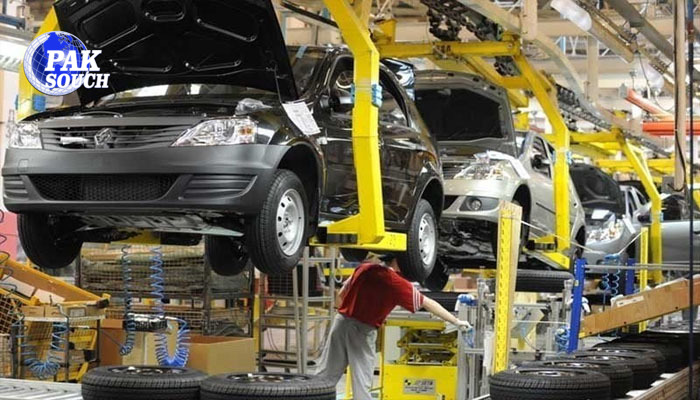
Under the proposed mechanism, used vehicles would be imported into Pakistan under specific regulations, repaired or upgraded through local workshops and automotive industries, and then re-exported to international markets. The government believes the initiative could create employment opportunities, strengthen the automobile engineering sector, and increase foreign exchange earnings.
The proposed policy is currently under discussion with the International Monetary Fund (IMF), whose approval is considered important before the policy can be finalized. After consultations with the IMF, the draft auto policy will be presented before the federal cabinet for formal approval.
Sources familiar with the matter said the new policy includes plans for establishing a complete “import, repair, and export” ecosystem for used vehicles. This would involve special economic arrangements, streamlined customs procedures, and incentives for businesses involved in the process.
The proposal also includes offering duty concessions under the Export Facilitation Scheme to encourage investors and companies to participate in the sector. The government hopes that lower import duties and simplified procedures will make Pakistan competitive in the regional used-car refurbishment market.
Officials say the model could especially benefit Pakistan’s engineering and automotive workforce by increasing demand for skilled labor, mechanics, technicians, painters, and spare parts manufacturers. In addition, the policy could help develop supporting industries such as logistics, warehousing, shipping, and vehicle inspection services.
The Jebel Ali model in Dubai has long been considered one of the most successful automotive trade hubs in the region. Thousands of used vehicles are imported there annually, refurbished, and exported to markets in Africa, Central Asia, and other regions. Pakistani policymakers believe replicating aspects of this model could position the country as a regional automotive trade and refurbishment center.
Industry experts, however, say the success of the initiative will depend on transparency, infrastructure development, customs efficiency, and strict quality control mechanisms. They argue that Pakistan must ensure internationally accepted repair and certification standards if it wants to compete in global markets.
Some analysts have also emphasized the need for environmental safeguards and proper regulations to prevent the dumping of low-quality or heavily damaged vehicles into the country. They suggest the government should clearly define which categories of vehicles would qualify under the proposed scheme.
The draft Auto Policy 2026-31 is expected to address broader issues related to Pakistan’s automobile sector, including localization targets, electric vehicles, investment incentives, technology transfer, and export promotion.
Government officials remain optimistic that the proposed import-repair-export model could become a major contributor to Pakistan’s export sector in the coming years, particularly if supported by favorable regulations and investor confidence.
If approved, the initiative could mark a significant shift in Pakistan’s automotive and export strategy, opening the door for the country to enter the international used-vehicle refurbishment and re-export market on a larger scale.