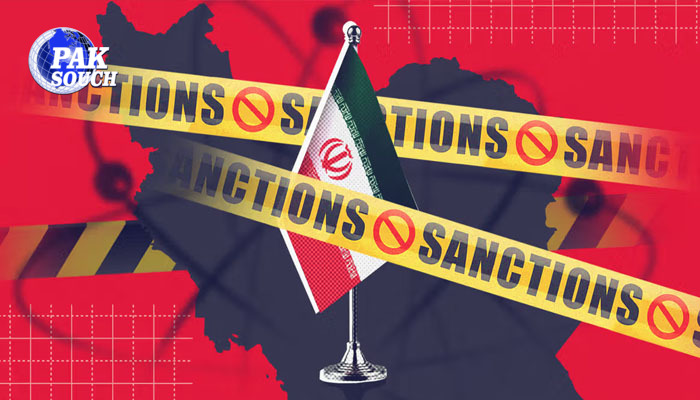
WASHINGTON: The United States has announced new sanctions targeting 35 Iranian entities and individuals, intensifying pressure on Tehran over its financial and energy networks.
According to the US Department of the Treasury, the sanctioned entities and persons are allegedly involved in supporting Iran’s banking sector and facilitating large-scale oil transactions worth billions of dollars. Officials claim that these networks play a key role in enabling Iran’s continued oil exports despite existing restrictions.
The Office of Foreign Assets Control (OFAC), a division of the US Treasury Department responsible for enforcing sanctions, issued a warning that additional financial institutions could also face punitive measures. This includes banks that conduct business with companies involved in making payments related to Iran’s use of maritime routes such as the Strait of Hormuz.
US authorities further highlighted the role of certain oil refineries in China’s Shandong province, stating that several independent Chinese companies operating in the region are either importing Iranian crude oil or processing it through local refining facilities. These activities, according to Washington, are part of broader efforts that help sustain Iran’s oil trade network.
The latest sanctions are part of a continued US strategy to limit Iran’s economic capabilities, particularly in the energy and financial sectors, which are considered critical sources of revenue for the country.
Washington has repeatedly accused Tehran of using complex international networks to bypass sanctions and continue exporting oil to global markets. In response, the US has expanded its enforcement actions, targeting not only Iranian entities but also foreign companies and intermediaries allegedly involved in facilitating trade.
Officials say the objective of these measures is to restrict Iran’s access to financial systems and reduce its ability to generate revenue from oil exports. However, critics argue that such sanctions often have broader economic implications, affecting international trade partners and global energy markets.
Iran has consistently rejected US sanctions, describing them as unilateral and politically motivated. Tehran maintains that its oil exports and financial activities comply with international law and that it will continue to seek alternative trade channels despite external pressure.