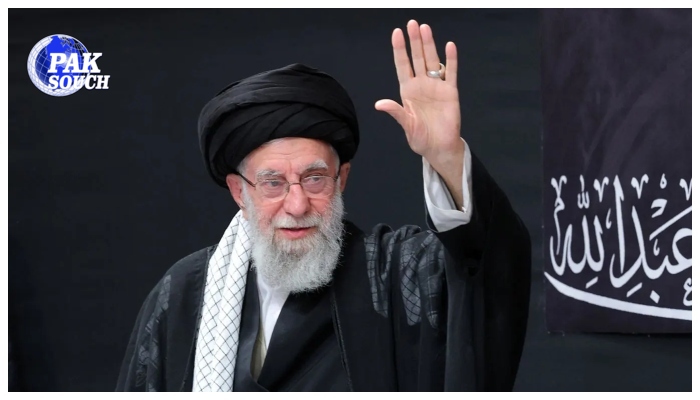
Iranian state media has shared what it described as the final message of Ali Khamenei on social media following reports that he was martyred in an Israeli and American attack. According to the reports, the message emphasized resilience, faith, and the Iranian nation’s understanding of its religious and historical responsibilities.
Iranian media outlets stated that Ayatollah Khamenei had declared that the Iranian nation is fully aware of its Islamic teachings and understands what actions it must take. The message reportedly reflected themes of steadfastness, unity, and resistance in the face of external aggression. It was presented as a final statement meant to inspire strength among the Iranian people during a period of crisis.
Alongside the message, Iranian media also quoted a well-known saying attributed to Imam Hussain (RA), the grandson of the Prophet Muhammad (PBUH). The quotation referenced Imam Hussain’s historic stance in refusing allegiance to Yazid, stating that a person like him could not pledge loyalty to someone like Yazid. The symbolic reference appeared intended to frame the situation in religious and historical terms, drawing parallels with themes of sacrifice and resistance deeply rooted in Islamic history.
Earlier, Iranian state media confirmed the martyrdom of Ayatollah Ali Khamenei and announced seven days of nationwide closure along with 40 days of mourning across the country. The declaration marks a significant and unprecedented moment in Iran’s political and religious history, given Khamenei’s central role in the country’s governance and ideological direction for decades.
Reports from Iranian official sources further stated that members of the Supreme Leader’s family were also killed in the attack, including his daughter, son-in-law, and granddaughter. In addition, senior Iranian officials were reportedly among those martyred in the strikes. These included Ali Shamkhani, identified as a senior adviser to the Supreme Leader, the country’s defense minister, and the head of the Islamic Revolutionary Guard Corps (IRGC).
The reported attack has been attributed to joint actions by Israel and the United States, significantly escalating tensions in the region. If confirmed, such an incident would represent a dramatic turning point in Middle Eastern geopolitics, with potentially far-reaching implications for regional stability and global security.
Ayatollah Ali Khamenei had served as Iran’s Supreme Leader since 1989, following the death of Ruhollah Khomeini. Over the decades, he remained the highest political and religious authority in the country, overseeing major domestic and foreign policy decisions. His leadership shaped Iran’s relations with Western powers, regional rivals, and allied groups across the Middle East.
The announcement of his reported martyrdom has prompted widespread reaction on social media platforms, where supporters and critics alike have expressed strong views. In Iran, gatherings and memorial events are expected to take place during the officially declared mourning period. Religious institutions, government offices, and public spaces are anticipated to hold commemorative ceremonies honoring his legacy.
Given the gravity of the claims, international observers are closely monitoring developments for independent verification and further details. The reported deaths of multiple senior officials, including top military leadership figures, would have profound implications for Iran’s security structure and command hierarchy.