



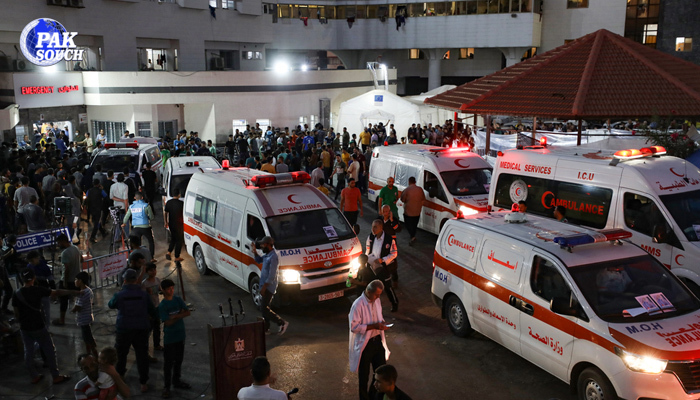
Gaza / Tel Aviv: Israel has decided to halt the operations of the international aid organization Doctors Without Borders (Médecins Sans Frontières, MSF) in Gaza, citing the organization’s alleged failure to provide a list of its local staff members.
According to Israeli authorities, providing the names of local employees is a mandatory requirement for any humanitarian organization operating in the region. Officials stated that, due to MSF’s non-compliance, their aid activities in Gaza will be suspended until the issue is resolved.
The decision has sparked concern among international humanitarian circles, as MSF plays a critical role in providing medical care and emergency assistance to civilians in Gaza, particularly in conflict-affected areas.
A spokesperson for MSF responded to the Israeli announcement, describing the move as a pretext that hinders humanitarian assistance. The organization said that the decision could impede the delivery of essential medical services to vulnerable populations, including children, the elderly, and patients in critical condition.
“Israel’s action effectively forces humanitarian organizations into impossible choices, putting civilian lives at risk,” MSF said in a statement. The organization emphasized that it remains committed to providing medical care in Gaza and called on authorities to allow aid workers to continue their operations without undue restrictions.
The Israeli government, however, maintains that the requirement to submit staff lists is a security measure intended to monitor and regulate the presence of foreign and local personnel operating in the region. Officials argue that compliance with this protocol is necessary to ensure that humanitarian activities are conducted safely and transparently.
International observers have expressed concern that such restrictions could severely limit access to medical care in Gaza, particularly given the ongoing humanitarian challenges in the territory. Hospitals and clinics in Gaza often face shortages of medicines, medical equipment, and trained personnel, making the work of organizations like MSF vital.
Analysts note that tensions between Israel and humanitarian agencies in Gaza have occasionally escalated in the past, particularly during periods of conflict. While Israel asserts its right to regulate the activities of foreign organizations, aid groups argue that political and security restrictions should not obstruct humanitarian work.
The decision has also raised questions among international donors and aid partners about the future of humanitarian support in Gaza. MSF is widely regarded as a neutral actor, providing medical care regardless of political affiliation, and any suspension of its services could have a significant impact on civilians who rely on its assistance.
MSF’s operations in Gaza include emergency medical care, surgical support, maternal and child health programs, and treatment for trauma victims. The suspension of these services, even temporarily, could exacerbate the humanitarian situation in the region, where hospitals already operate under extreme pressure due to shortages of medical supplies and high patient loads.
The international community has repeatedly emphasized the importance of uninterrupted humanitarian access in Gaza. United Nations agencies and other aid organizations have called for measures that ensure the safety and freedom of movement for medical personnel and aid workers, highlighting that civilian populations should not bear the brunt of administrative or political disputes.
MSF has also indicated that it is exploring all possible avenues to resume its operations and continue serving Gaza’s residents. The organization continues to coordinate with local authorities, international partners, and diplomatic channels to negotiate solutions that allow humanitarian work to proceed.
In conclusion, Israel’s decision to halt Doctors Without Borders operations in Gaza marks a significant development in the ongoing challenges faced by humanitarian organizations in the region. While Israeli authorities cite security concerns and regulatory compliance as the reason, MSF and other aid agencies argue that such measures threaten the delivery of critical medical services to vulnerable populations. The situation underscores the delicate balance between security protocols and humanitarian obligations in conflict-affected areas and highlights the urgent need for dialogue to ensure that civilian access to life-saving medical care is maintained.





